EXTREMELY SENSITIVE CONTENT – 18+ ONLY
This article discusses sensitive historical events related to the death of Yakov Dzhugashvili during World War II, including acts of violence in Nazi concentration camps. The content is presented for educational purposes only, to foster understanding of the past and encourage reflection on how societies can prevent similar injustices in the future. It does not endorse or glorify any form of violence or extremism.
Yakov Iosifovich Dzhugashvili (March 18, 1907 – April 14, 1943) was the eldest son of Soviet leader Joseph Stalin, whose tragic life and death in a Nazi concentration camp during World War II became a symbol of personal loss amid global conflict. Born to Stalin’s first wife, Kato Svanidze, who died shortly after his birth, Yakov grew up distant from his father, raised by relatives in Georgia before moving to Moscow in 1921.
World War II books
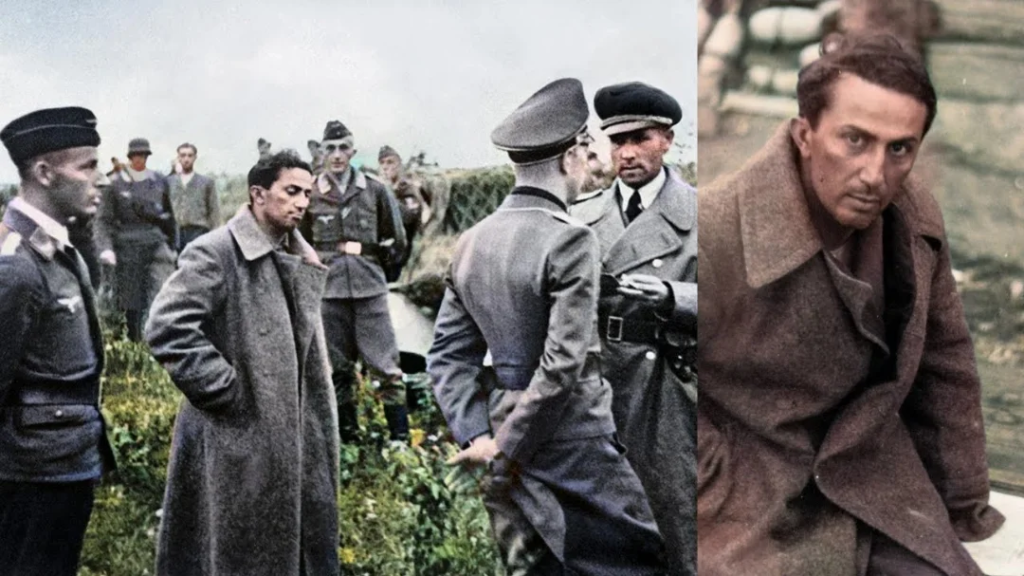
Their relationship was strained—Stalin viewed him as weak, criticizing his failed suicide attempt in 1928 with “He can’t even shoot straight.” As a Red Army artillery lieutenant, Yakov was captured by Germans near Vitebsk on July 16, 1941, during Operation Barbarossa—the first month of the Eastern Front invasion. Used for propaganda, his imprisonment embarrassed Stalin, who refused prisoner exchanges, famously saying, “I have no son called Yakov.” Transferred to Sachsenhausen concentration camp, Yakov endured harsh conditions for nearly two years.
On April 14, 1943, after arguing with British prisoners, he ran toward the electrified fence, shouting defiance, and was shot dead by guard Konrad Hafrich—possibly a suicide or escape attempt, with some accounts suggesting he died from electrocution before bullets hit. His body was photographed for propaganda before cremation. This “brutal execution” highlighted Stalin’s cold pragmatism and Nazi cruelty. Examining it objectively reveals family dynamics in power, the human cost of war, and propaganda’s role, underscoring lessons on empathy amid ideology and preventing prisoner abuses.
Yakov Dzhugashvili was born in Baji, Georgia, to Joseph Stalin and Kato Svanidze, who died of typhus when he was nine months old. Raised by his aunt in Tiflis (Tbilisi), he had little contact with Stalin until age 14, when moved to Moscow. Their relationship was tense: Stalin belittled him, and Yakov’s 1928 suicide attempt (shot in chest, survived) drew mockery—”He can’t even shoot straight.” Yakov studied engineering, married three times, and had children, but personal tragedies like his daughter’s death haunted him.
Enlisting in 1941 as an artillery lieutenant, Yakov was captured July 16 near Vitebsk—surrounded, he destroyed documents before surrender. Germans used photos for propaganda, dropping leaflets saying “If Stalin’s son surrendered, the war is lost.” Stalin, viewing surrender as treason, had Yakov’s wife Julia arrested (released 1943). Germans offered exchange for Field Marshal Paulus (captured at Stalingrad), but Stalin refused: “I will not trade a marshal for a lieutenant.”
Transferred to Sachsenhausen in 1942, Yakov shared barracks with British POWs and Vasily Kokorin (Stalin’s nephew). On April 14, 1943, after arguing over latrine cleanliness (throwing feces at a guard or dispute with British), Yakov ran to the electrified fence, shouting “Shoot me!” or “Don’t be a coward! Shoot!” Guard Konrad Hafrich fired, killing him—possibly suicide, as he grabbed the wire first (electrocution before shots). Germans photographed the body for propaganda, claiming escape attempt. Some family disputed capture, claiming he died in battle.
Stalin learned details in 1945 from captured Germans, but kept secret until 1946 report by Ivan Serov. Yakov’s death haunted Stalin, who reportedly lamented privately.
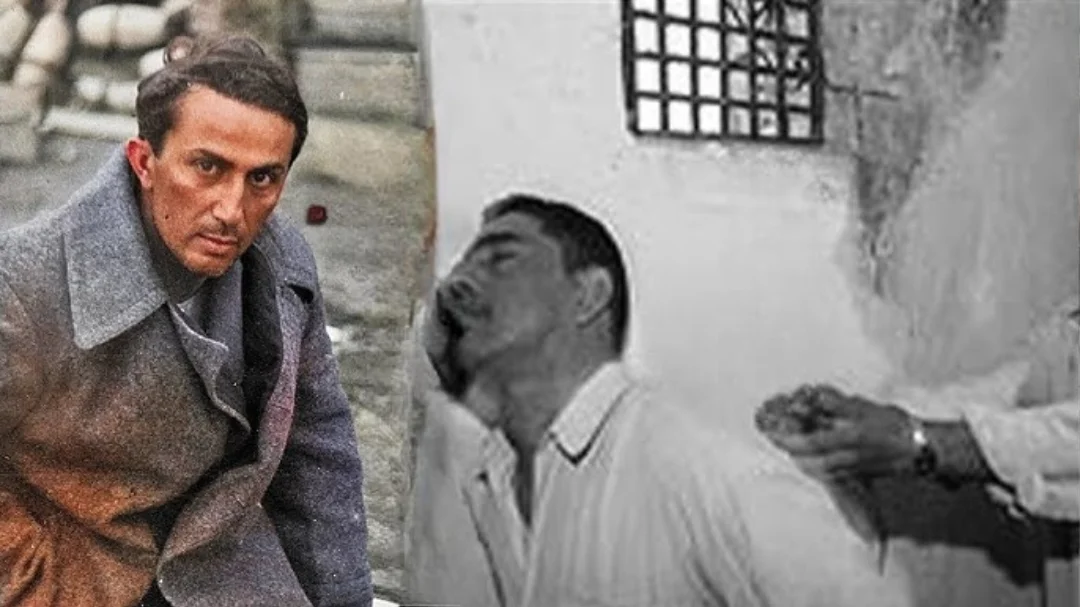
Yakov Dzhugashvili’s brutal death—shot during a desperate act in Sachsenhausen—highlighted the personal tragedies within WWII’s vast horrors, a son sacrificed amid his father’s unyielding ideology. Disputed accounts of suicide or escape reflect the era’s propaganda veil. By reflecting objectively, we confront how war destroys families across lines, reinforcing the value of humanity over dogma. Yakov’s story inspires empathy for war’s forgotten victims, urging societies to prioritize peace and reconciliation to prevent such familial and national heartbreaks.
World War II books
Sources
Wikipedia: “Yakov Dzhugashvili”
History Today: “The Death of Stalin’s Son”
Reddit r/ww2: “This is Joseph Stalin’s son Yakov Dzhugashvili”
All That’s Interesting: “The Tragic Story Of Yakov Dzhugashvili”
History News Network: “The Sad Lives and Demise of Stalin’s Sons”
Chronotope: “Stalin learns the facts behind his son Yakov’s death”
Ynetnews: “Stalin’s son to Nazi captors”
RBTH: “Why didn’t Stalin rescue his son from German captivity?”
ProleWiki: “Yakov Dzhugashvili”
Additional historical references from academic sources on WWII prisoners.