EXTREMELY SENSITIVE CONTENT – 18+ ONLY
WWII historical books
This article discusses sensitive historical events from World War II, including acts of mass violence and executions in Nazi-occupied territories. The content is presented for educational purposes only, to foster understanding of the past and encourage reflection on how societies can prevent similar tragedies in the future. It does not endorse or glorify any form of violence or extremism.
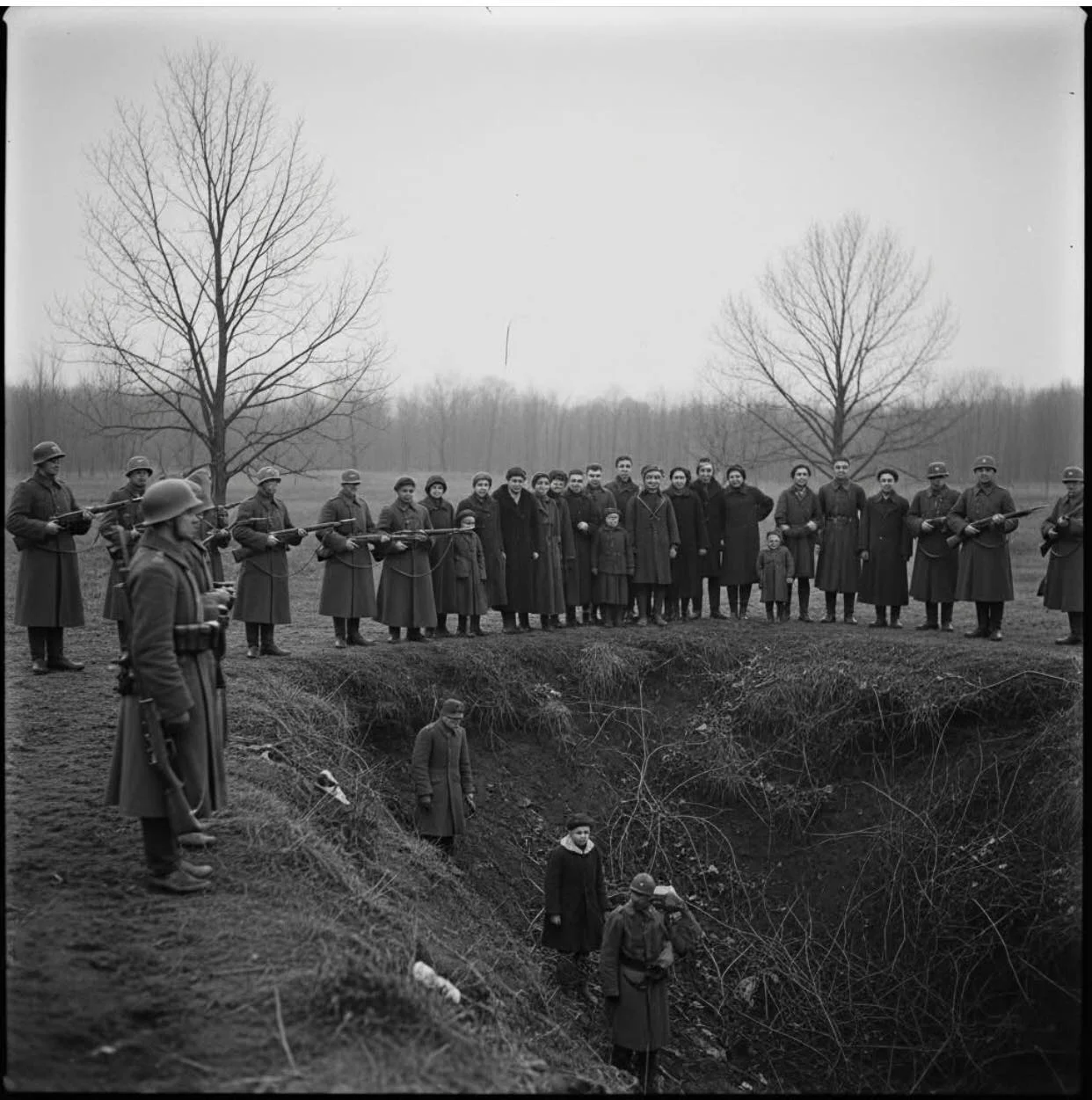
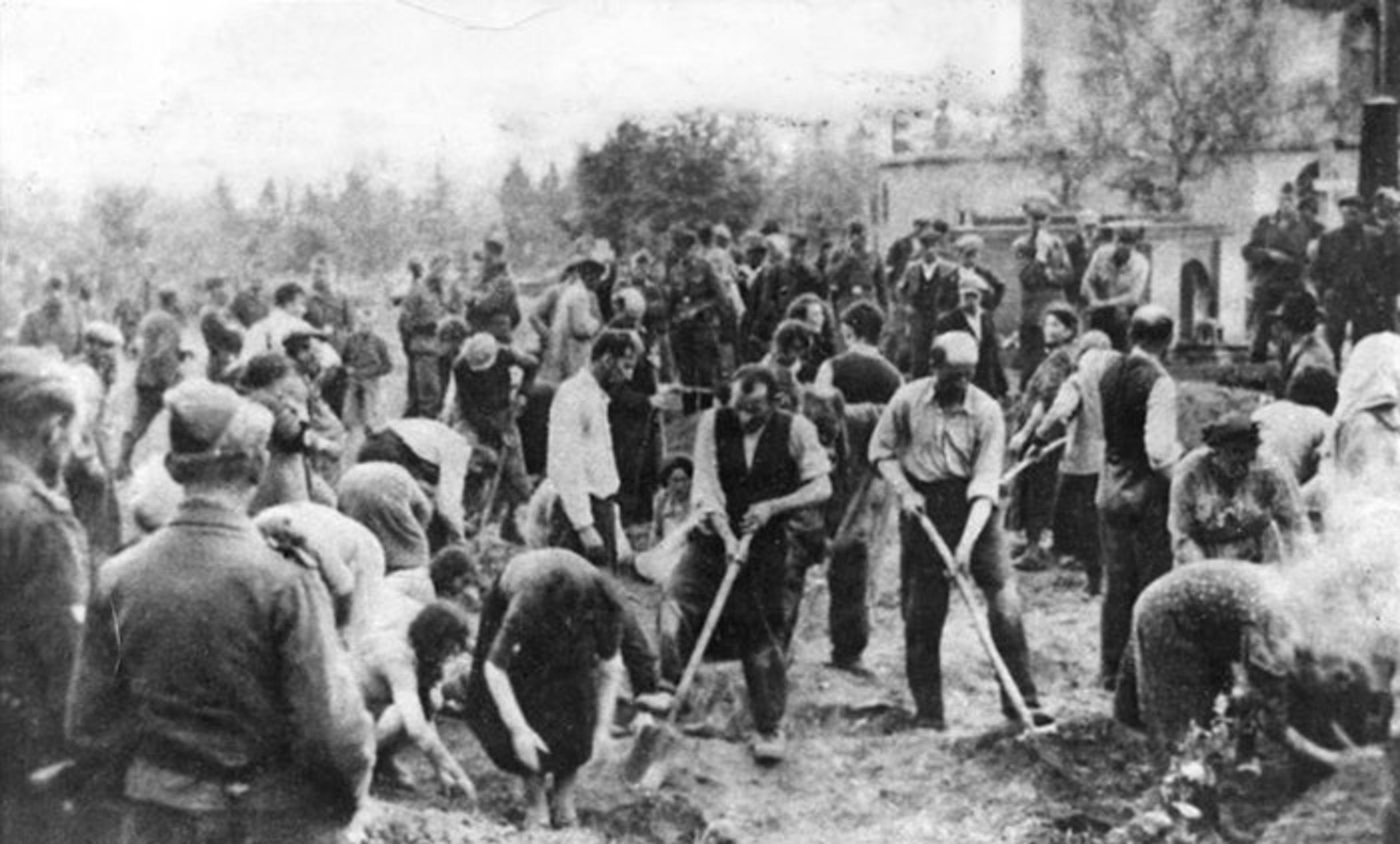
The “killing pits,” also known as mass graves or execution sites, represent one of World War II’s most brutal methods of mass murder, primarily used by Nazi Einsatzgruppen (mobile killing squads) to exterminate millions in occupied Eastern Europe. These pits—dug by victims or locals—served as both execution grounds and burial sites, where people were lined up, shot at close range, and dumped in layers, often buried alive if not killed outright.
From 1941 to 1944, over 1.5 million Jews, Romani people, partisans, and civilians were murdered this way in the “Holocaust by bullets,” before gas chambers became dominant. Sites like Babi Yar (33,771 Jews killed in two days near Kyiv) and Ponary (70,000–100,000 near Vilnius) exemplify the scale—pits holding thousands, many undiscovered today.
This method’s horror lay in its efficiency, psychological terror (victims digging own graves), and involvement of local collaborators, enabling the Nazis to kill remotely from camps. Chełmno death camp experimented with gas vans but used pits for disposal. The Frankfurt Auschwitz Trials (1963–1965) and ongoing excavations reveal these atrocities. Examining objectively exposes the mechanics of genocide, the role of ordinary perpetrators, and the importance of memorialization, underscoring lessons on preventing ethnic violence through education and international justice.
The killing pits emerged with Operation Barbarossa on June 22, 1941, when Nazi Germany invaded the Soviet Union. Four Einsatzgruppen (A–D), comprising SS, police, and auxiliaries (total ~3,000), followed Wehrmacht troops to “pacify” rear areas by murdering “enemies”—primarily Jews, but also communists, Romani, and intellectuals. By December 1941, ~500,000 Jews were killed in pits across Ukraine, Belarus, and the Baltics.
WWII historical books
Method: Victims—rounded up from ghettos or villages—were marched to remote forests, ravines, or quarries, forced to dig pits (often unaware of fate), strip naked (clothes redistributed), and line up at edges. Shot in the back of the head or neck (to minimize mess), bodies fell in; wounded buried alive under layers. Units like in Eyshishok (Lithuania) killed 3,000 Jews in pits over months; Babi Yar: 33,771 in two days. Collaboration: Locals aided as auxiliaries, digging or guarding, enabling scale.
In camps like Auschwitz, pits were used for shootings before gas chambers: gravel pits for early executions, or overflow cremations when ovens overloaded (e.g., 1944 Hungarian deportations). Chełmno: gas vans killed, bodies dumped in pits—~152,000 victims, rudimentary camp focused on extermination.
Many pits remain undiscovered; excavations like Ponar (2016 tunnel find) or Krepiecki Forest (mass graves near Lublin) uncover evidence. Brutality: close-range killing, survivors’ screams, and hasty burials left wounded suffocating.
Auschwitz tour guide
Post-war, Nuremberg declared SS criminal; trials prosecuted perpetrators, but many evaded justice.

Killing pits, enabling the “Holocaust by bullets” with millions murdered and buried in mass graves, epitomize WWII’s systematic genocide horror, blending efficiency with unimaginable cruelty. Many sites undiscovered perpetuate hidden traumas. By reflecting objectively, we honor victims and confront collaboration’s role in evil, reinforcing genocide prevention through education and justice. This history urges global vigilance against hatred, fostering societies that value human dignity to avoid such abysses.
Sources
Wikipedia: “Killing pit”Yad Vashem: “Killing Pits and Murder Sites”
Auschwitz.org: “Shooting”
The National WWII Museum: “The Chełmno Death Camp”
USHMM: “Mobile Killing Squads”
YouTube: “The Killing Pits – WWII’s Most BRUTAL Execution Method?”
WWII historical books
PBS: “Inside the Nazi State – The Killing Evolution”
The Guardian: “The death pit”
Holocaust Historical Society: “Krepiecki Forest”
Wikipedia: “Einsatzgruppen”
Additional historical references from academic sources on Holocaust mass executions.