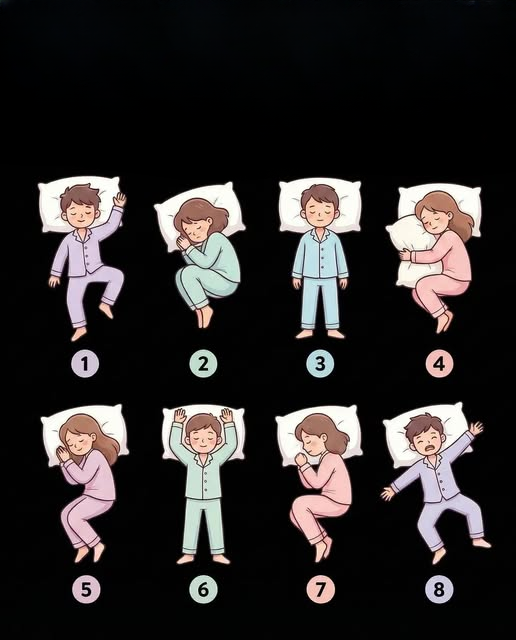
In today’s fast-paced, always-online professional culture, sleep is often treated as an afterthought. Many people see it as something to fit in between deadlines, meetings, and responsibilities rather than as an essential foundation for daily functioning. The modern work narrative frequently glorifies late nights, early mornings, and constant availability, subtly suggesting that rest is optional for those who truly want to succeed.
Yet, when the lights go out and the noise of the day finally fades, the body and mind do something deeply intentional. The way we lie down, shift, curl up, or stretch out is rarely accidental. While sleep positions are not definitive indicators of personality or success, they can act as gentle reflections of how we experience our working lives—physically, emotionally, and mentally.
Rather than serving as a rigid diagnostic tool, sleep posture can be viewed as a quiet language of the body. It is shaped by daily stressors, workloads, emotional investments, and the unspoken expectations we place on ourselves. In this sense, our sleeping habits function like a mirror held up to our professional routines, offering subtle insights into how we cope with responsibility, pressure, and recovery.
The Physical Cost of the Modern Workday
Before examining sleep positions themselves, it is important to understand what the typical professional day demands from the human body and brain. Work today is not only about physical tasks; it is largely cognitive and emotional.
From managing deadlines and solving problems to navigating social dynamics and digital overload, many professionals spend hours in a heightened state of alertness. Emails, notifications, decision-making, and performance expectations keep the nervous system engaged for long stretches of time.
This sustained engagement activates what is commonly known as the body’s “alert mode,” a state designed for short-term challenges—not continuous exposure. Ideally, once the workday ends, the body gradually shifts into a calmer, restorative mode. Sleep plays a crucial role in that transition.
However, the shift from work to rest is not always smooth. Unfinished tasks, lingering concerns, and mental overcommitment can follow us into the evening. How the body positions itself during sleep may reflect how successfully—or unsuccessfully—we have disengaged from the demands of the day.
Sleep as a Transition, Not a Switch
Sleep is not simply an on-off state. It is a process that begins long before the eyes close. The posture we settle into can reveal how prepared we are to let go of control, responsibility, and vigilance.
Some people collapse into bed completely relaxed. Others remain tense, guarded, or restless. These differences often align with how individuals approach their professional roles, though they are influenced by comfort, habit, and physical needs as well.
With that context in mind, let us explore several common sleep positions and the work-life patterns they may gently echo.
1. The Open and Expanded Sleeper: Carrying Responsibility in Full View
Some individuals naturally fall asleep lying on their backs or stretched out across the bed. Their arms and legs are relaxed, their posture open, and their body language unguarded. This position often appears confident and composed, even vulnerable.
The Professional Profile Behind the Posture
People who sleep this way are often those who shoulder significant responsibility in their daily lives. They may hold leadership positions, act as decision-makers, or function as reliable anchors within teams, families, or communities. Others depend on them, and they are accustomed to being available when problems arise.
In the workplace, these individuals are often seen as dependable and resilient. They are trusted with complex tasks and may feel a strong internal drive to meet expectations—both their own and those of others.
What the Body May Be Expressing
An open sleep posture can suggest a sense of confidence and stability. However, it may also indicate that the body has reached the point where it can no longer maintain tension. After a full day of managing demands, this posture becomes a physical release—a moment where the body finally allows itself to rest fully.
In some cases, this position reflects emotional openness paired with physical exhaustion. The individual has spent the day “holding everything together” and, once in bed, lets go completely.
The Balance Challenge
While being reliable and capable is admirable, it can also lead to overextension. Those who frequently carry the weight of responsibility may struggle to set boundaries, even when rest is necessary.
For these sleepers, balance often comes from learning that rest is not a reward for productivity but a requirement for sustainability. Delegation, shared responsibility, and intentional downtime are not signs of weakness; they are tools for long-term effectiveness.
2. The Curled or Side Sleeper: Processing Emotion and Purpose
One of the most common sleep positions involves lying on the side, often with knees drawn toward the chest. Sometimes referred to as a curled or semi-fetal posture, this position is frequently associated with comfort and security.
The Professional Profile Behind the Posture
People who favor this position often approach their work with emotional investment. They care deeply about outcomes, relationships, and values. These individuals may be mentors, caregivers, collaborators, or purpose-driven professionals who see their work as more than a job.
They are often thoughtful, empathetic, and aware of the emotional climate around them. Their work may involve supporting others, managing people, or navigating complex interpersonal dynamics.
What the Body May Be Expressing
Curling inward during sleep can be a natural way to create a sense of safety. It allows the body to protect vital areas and reduce physical exposure, which can feel comforting after a day filled with interaction and responsibility.
This posture may reflect a mind that is still processing experiences. Many side sleepers report that falling asleep takes time, as their thoughts revisit conversations, plans, or concerns from the day.
The Mental Load Factor
Emotionally engaged professionals often carry invisible workloads. They think about others’ needs, anticipate challenges, and replay situations in their minds. While this dedication can be a strength, it can also make it harder to mentally disengage at night.
The Balance Challenge
For these individuals, creating intentional mental boundaries can be especially helpful. Writing down thoughts, planning the next day earlier in the evening, or practicing calming routines may help ease the transition into rest.
Rest does not diminish empathy or purpose—it supports them. When the mind is allowed to pause, emotional energy can be renewed rather than depleted.
3. The Guarded or Structured Sleeper: Quiet Strength and Self-Reliance
Some people sleep in very consistent, controlled positions. Their arms may remain close to their body, and their posture changes little throughout the night. These sleepers often appear calm and composed, even in rest.
The Professional Profile Behind the Posture
This sleep style is often associated with individuals who value independence and efficiency. They are problem-solvers who prefer handling challenges on their own. In professional settings, they are often the ones who quietly keep systems running smoothly.
They may not seek recognition, but their work is reliable and impactful. These individuals are often self-motivated and comfortable working under pressure without outward complaint.
What the Body May Be Expressing
A guarded sleep posture can reflect a desire for control and predictability. Even during rest, the body maintains a sense of order. For some, sleep feels less like surrender and more like a scheduled pause.
This does not mean they are tense all the time, but rather that letting go completely may not come easily.
The Hidden Pressure
Because these professionals often handle stress internally, others may underestimate how much they are managing. Over time, this can lead to accumulated fatigue that is not immediately visible.
The Balance Challenge
Learning to accept support—both professionally and personally—can be transformative. Rest becomes deeper when the mind feels safe enough to release responsibility, even temporarily.
True resilience is not just about endurance; it is also about renewal.
The Physical Side of Sleep Comfort
Beyond emotional reflection, sleep posture is also influenced by physical factors. The body often adjusts during sleep to compensate for daytime habits such as prolonged sitting, screen use, or repetitive movements.
Posture Compensation at Night
- Side sleepers may find relief by aligning their hips and spine, often benefiting from additional support that promotes comfort.
- Back sleepers may seek positions that reduce pressure on the lower back and allow muscles to relax after a long day of activity or sitting.
These adjustments are not symbolic in themselves, but they highlight how closely daily movement patterns and nighttime rest are connected.
Sleep as a Professional Resource
In recent years, conversations around productivity and performance have begun to shift. Rather than celebrating constant overwork, more organizations and leaders are recognizing the value of rest.
Adequate sleep supports focus, emotional regulation, learning, and adaptability—qualities that are essential in modern professional environments. Well-rested individuals are often better equipped to collaborate, innovate, and respond to challenges.
Sleep is not a luxury or a sign of complacency. It is an investment in clarity, resilience, and long-term effectiveness.
Listening Without Labeling
It is important to emphasize that sleep positions do not define personality, competence, or success. They are influenced by habit, comfort, and physical needs as much as by emotional states.
However, paying attention to sleep habits can encourage self-reflection. Changes in sleep posture, restlessness, or comfort may signal that something in daily life needs adjustment—whether that is workload, boundaries, or recovery time.
Integrating Rest Into a Sustainable Work Life
The most effective professionals are not those who ignore their limits but those who understand them. Sleep offers a daily opportunity to reset, recover, and reconnect with the body’s natural rhythms.
By honoring rest, individuals support not only their personal well-being but also their ability to contribute meaningfully in their work.