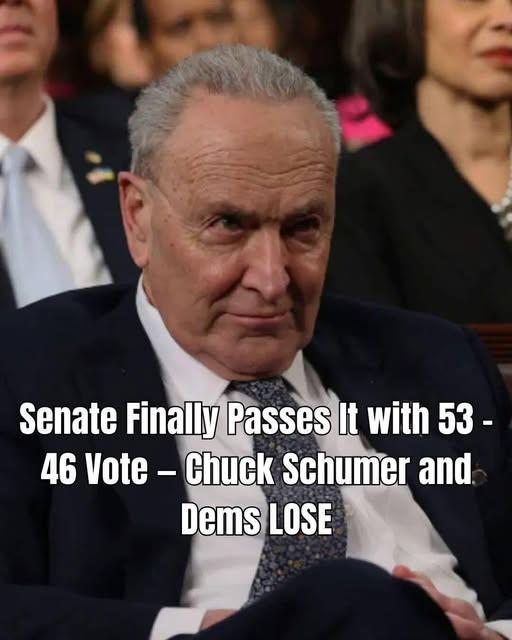
The United States Senate has confirmed Anne-Leigh Gaylord Moe as a judge for the U.S. District Court for the Middle District of Florida, marking another significant development in the ongoing reshaping of the federal judiciary. The confirmation followed a closely divided vote, reflecting the broader political divisions that increasingly surround judicial appointments in Washington.
Moe, who was nominated by President Donald Trump, brings more than two decades of legal experience to the federal bench. Her confirmation places her in one of the nation’s busiest district courts, a jurisdiction responsible for overseeing a wide range of civil and criminal matters across central Florida.
This appointment is notable not only for Moe’s professional background, but also for the broader context in which it occurred—one defined by heightened political polarization, intense debate over the role of the judiciary, and continued efforts by successive administrations to influence the long-term direction of the federal courts.
A Narrow Senate Vote Reflecting Political Divisions
The Senate approved Moe’s nomination by a vote of 53 to 46. While confirmations of federal judges have long been contentious, recent years have seen the process become increasingly partisan. In this case, most senators voted along party lines, underscoring the ideological stakes many lawmakers associate with lifetime judicial appointments.
Supporters of Moe’s confirmation argued that her experience and judicial philosophy make her well-qualified to serve. Opponents, meanwhile, expressed concerns about her prior rulings and what they view as a conservative approach to certain legal issues. These contrasting perspectives illustrate the broader debate over how judges should interpret the Constitution and apply federal law.
Despite the close margin, the confirmation ensures that a long-standing vacancy in the Middle District of Florida has now been filled—an outcome welcomed by many within the legal community who have emphasized the need to reduce case backlogs and improve efficiency within the federal court system.
The Role of Judicial Appointments in Presidential Agendas
Judicial nominations have become a central element of modern presidential agendas, and this administration is no exception. Presidents from both major political parties have emphasized the importance of appointing judges who align with their legal philosophy, recognizing that federal judges often serve for decades and can significantly influence legal interpretation long after a president leaves office.
During his time in office, President Trump has consistently highlighted the judiciary as a priority, both in his first term and following his return to the White House. His administration has focused on filling vacancies at all levels of the federal court system, from district courts to appellate courts and the Supreme Court.
The confirmation of Anne-Leigh Gaylord Moe represents another step in that broader strategy. By appointing judges with substantial experience in state courts and prosecution, the administration aims to reinforce what it describes as a commitment to constitutional interpretation, judicial restraint, and the rule of law.
Public Reaction From the President and Supporters
Following the Senate vote, President Trump publicly praised the confirmation, pointing to Moe’s previous service in Florida’s judicial system. In statements shared through his preferred communication channels, the president emphasized her background as both an appellate and trial judge, describing her career as one marked by dedication to public service.
Republican lawmakers and conservative legal organizations echoed these sentiments, portraying Moe as a jurist who applies statutes as written and avoids judicial overreach. Many supporters argue that her approach reflects a belief in limiting the role of judges to interpreting the law rather than shaping public policy.
These endorsements form part of a broader narrative advanced by conservative groups, which advocate for judges who prioritize textual analysis and constitutional originalism. From this perspective, Moe’s confirmation is seen as reinforcing stability and predictability within the federal legal system.
Anne-Leigh Gaylord Moe’s Legal Career and Experience
Anne-Leigh Gaylord Moe’s professional background spans more than twenty years in the legal field. Prior to her confirmation to the federal bench, she served on Florida’s Second District Court of Appeal, where she reviewed complex legal disputes and authored opinions on a range of issues.
Before joining the appellate court, Moe spent nearly a decade as a circuit judge in Florida’s Thirteenth Judicial Circuit. This role placed her at the center of one of the state’s most active judicial districts, covering a large and diverse population. As a circuit judge, she presided over criminal trials, civil disputes, and procedural hearings, gaining firsthand experience with the practical realities of courtroom decision-making.
Earlier in her career, Moe worked as an Assistant State Attorney in Tampa. In that capacity, she handled criminal prosecutions and worked closely with law enforcement agencies, victims, and defense counsel. Colleagues from this period have described her as detail-oriented and disciplined, qualities that supporters believe will translate effectively to her new role as a federal judge.
Perspectives From Colleagues and Legal Professionals
Individuals who have worked alongside Moe throughout her career have offered varying assessments of her judicial style. Supporters frequently emphasize her consistency, preparedness, and adherence to established legal standards. They argue that her rulings demonstrate a commitment to applying existing law rather than advancing personal views.
One former colleague characterized her approach as “measured and methodical,” noting that she tends to ground her decisions firmly in statutory language and precedent. From this viewpoint, her judicial philosophy aligns with a traditional understanding of the judge’s role within the American legal system.
Critics, however, have pointed to certain rulings during her time on the bench that they believe reflect a strict interpretation of criminal procedure or sentencing guidelines. These critics argue that such an approach may insufficiently account for broader social considerations, particularly in cases involving civil liberties or marginalized communities.
Concerns Raised by Opponents of the Nomination
Democratic senators and progressive advocacy groups raised objections to Moe’s confirmation, citing concerns about her judicial record and perceived alignment with conservative legal priorities. Some lawmakers expressed unease about how her background as a prosecutor might influence her approach to criminal justice cases at the federal level.
Others questioned whether her judicial philosophy adequately balances law enforcement interests with protections for defendants’ rights. These concerns were raised during confirmation discussions and reflected broader debates over criminal justice reform and the role of federal courts in addressing systemic inequalities.
Opponents also framed the confirmation as part of a larger effort to entrench ideological influence within the judiciary. From their perspective, closely divided votes such as this one illustrate the need for greater consensus and transparency in the judicial nomination process.
Republican Defense of the Confirmation
In response to criticism, Republican senators defended Moe’s qualifications and rejected claims that her appointment would undermine fairness or constitutional protections. They emphasized her extensive judicial experience and argued that her record demonstrates respect for due process and legal precedent.
Supporters also noted that disagreement over judicial philosophy is not unusual and should not disqualify a nominee. They contended that diversity of legal interpretation is an inherent feature of the American judicial system and that Moe’s perspective represents one of many legitimate approaches to interpreting federal law.
For these lawmakers, the confirmation was less about partisanship and more about ensuring that federal courts are staffed by judges with demonstrated competence and experience. They pointed to Moe’s years of service as evidence that she meets those standards.
The Middle District of Florida: A Court of National Importance
The U.S. District Court for the Middle District of Florida plays a critical role in the federal judiciary. Covering a large geographic area that includes major metropolitan regions, the court handles thousands of cases each year involving immigration, healthcare, business disputes, civil rights, and criminal prosecutions.
Because of its size and caseload, decisions issued by judges in this district often attract national attention. Legal scholars note that rulings from the Middle District of Florida can influence broader legal trends, particularly in areas such as regulatory law and constitutional interpretation.
Moe’s appointment adds another experienced jurist to this influential court, potentially shaping its jurisprudence for years to come. As with all federal judges, her decisions may be reviewed by appellate courts, but her interpretations will nonetheless carry significant weight within the district.
Judicial Appointments Amid Broader Political Challenges
The confirmation occurred during a period marked by broader political tension, including ongoing debates over federal budgets and government operations. Despite legislative gridlock in other areas, the Senate has continued to prioritize judicial confirmations, reflecting the long-term importance lawmakers attach to these appointments.
Political analysts have observed that judicial nominations often proceed even when other legislative initiatives stall. This pattern underscores the strategic value both parties place on shaping the courts, particularly given the lifetime tenure granted to federal judges.
Public opinion on these confirmations tends to align closely with partisan perspectives, though surveys suggest that many Americans view the judiciary as an institution that should remain independent from political influence. Balancing these expectations remains an ongoing challenge for elected officials.
The Long-Term Impact of Federal Judicial Appointments
Once confirmed, federal judges serve for life unless they retire or are removed through impeachment—a rare occurrence. As a result, each appointment has implications that extend far beyond the political moment in which it occurs.
Legal scholars often note that district court judges play a foundational role in the justice system. They are the first to hear federal cases, evaluate evidence, and apply the law to real-world disputes. Their rulings can shape how laws are enforced and interpreted across entire regions.
Moe’s tenure on the Middle District of Florida will likely influence decisions on issues ranging from commercial litigation to constitutional claims. Observers from across the political spectrum will be watching closely to see how her judicial philosophy is reflected in her rulings.
Expectations for Moe’s Tenure on the Federal Bench
As she prepares to assume her new responsibilities, expectations for Judge Moe remain high. Supporters anticipate that she will bring efficiency and clarity to the courtroom, while critics will scrutinize her decisions for their broader implications.
Like all federal judges, Moe will be bound by ethical standards, procedural rules, and appellate oversight. Her role will require balancing the letter of the law with careful consideration of facts, precedent, and constitutional principles.
Over time, her body of work will provide a clearer picture of how she approaches complex legal questions. For now, her confirmation represents the beginning of a new chapter—both for her career and for the Middle District of Florida.
Conclusion
The Senate’s confirmation of Anne-Leigh Gaylord Moe as a U.S. District Judge for the Middle District of Florida highlights the enduring significance of judicial appointments in American governance. Approved by a narrow margin, her nomination reflects the political divisions that increasingly characterize the confirmation process.
With extensive experience as a prosecutor, trial judge, and appellate judge, Moe enters the federal judiciary at a moment of heightened scrutiny and expectation. Supporters view her as a capable and disciplined jurist, while critics raise concerns about the potential implications of her legal philosophy.
Regardless of perspective, her appointment underscores the lasting impact of federal judges and the central role they play in interpreting and applying the law. As Judge Moe begins her service, her decisions will contribute to shaping legal outcomes in Florida and beyond for years to come.