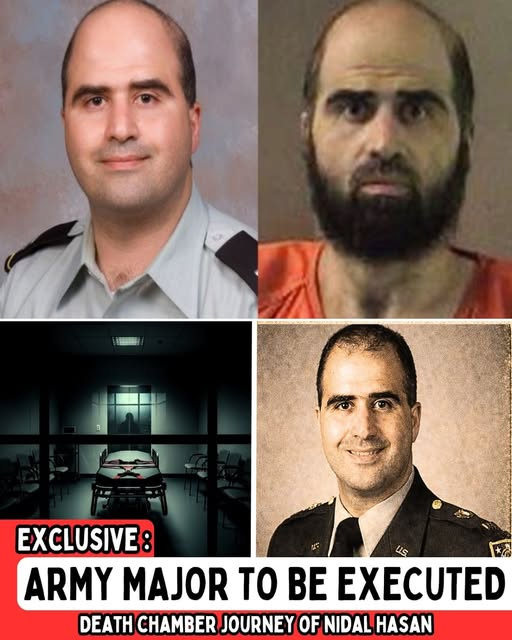
In a breaking development, U.S. Army Major Nidal Malik Hasan is slated for execution—the first American soldier since 1961—for the 2009 Fort Hood massacre that killed 13 and wounded 32. Despite clear warnings ignored by the Army and FBI, his radical actions unfolded in a horrific attack he claimed was for Islamic insurgents.
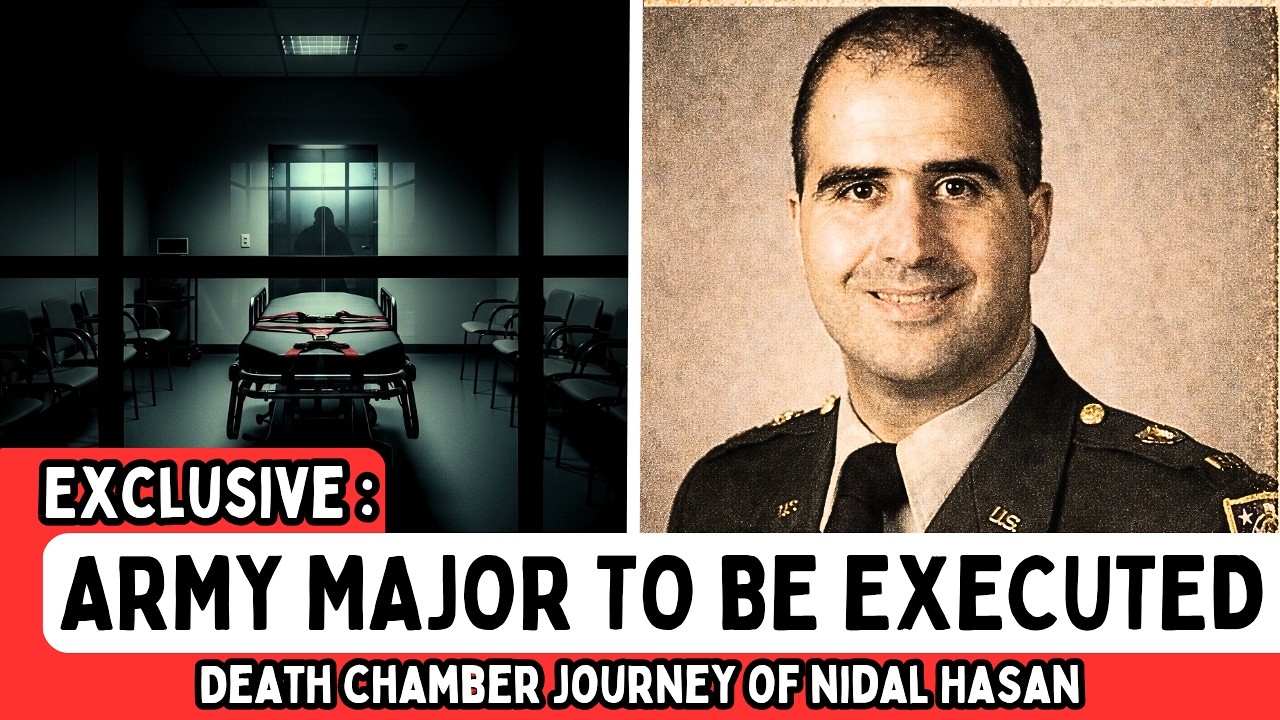 The story of Major Nidal Malik Hasan exposes a catastrophic failure in America’s security apparatus. Born in Virginia to Palestinian immigrants, Hasan rose through the ranks as a psychiatrist, earning degrees and honors. Yet, beneath his military facade, radicalization simmered, fueled by personal losses and exposure to soldiers’ war stories from Iraq and Afghanistan.
His ties to extremist ideology deepened after visits to the West Bank and attendance at mosques linked to figures like Anwar Al-Awlaki. By 2008, Hasan exchanged 18 emails with Al-Awlaki, probing the religious justification for killing U.S. troops. These messages, intercepted by the FBI, were dismissed as academic research.
The FBI’s assessment was a grave misstep; they failed to connect Hasan’s communications with his documented behavioral issues at Walter Reed Army Medical Center. There, supervisors noted his poor performance, introduction of religious views in sessions, and a presentation advocating for Muslim soldiers’ exemptions from deployments.
 Warnings piled up: memos highlighted his unfitness, yet he was promoted to major in 2009. Meanwhile, online posts and statements revealed his growing extremism, including praise for suicide attacks. The Army overlooked these red flags, sending him toward inevitable deployment.
On November 5, 2009, at Fort Hood, Texas—the largest U.S. military base—Hasan unleashed terror. Armed with a semi-automatic pistol, he shouted “Allahu Akbar“ and fired systematically at soldiers preparing for deployment, killing 13 in a calculated rampage.
Victims included medical staff, reservists, and young enlistees, each with families shattered by the violence. Michael Cahill, a 62-year-old physician assistant, charged at Hasan with a chair, sacrificing himself in a desperate bid to stop the slaughter.
 The attack lasted mere minutes, but its aftermath revealed systemic lapses. Investigations confirmed Hasan stockpiled 3,000 rounds and practiced at shooting ranges, signaling premeditation. Yet, the Department of Defense initially labeled it “workplace violence,“ denying survivors combat benefits.
This classification fueled outrage among families, who fought for years to reclassify it as terrorism. In 2015, Congress intervened, awarding Purple Hearts to victims, acknowledging the attack’s true nature as an act of jihadist-inspired violence.
 Hasan’s trial, delayed by disputes over his beard, began in 2013. Representing himself, he admitted to the shootings, declaring he had “switched sides.“ The military jury convicted him on all counts, sentencing him to death after hearing harrowing survivor testimonies.
For over a decade, Hasan has languished on death row at Fort Leavenworth, Kansas, unrepentant and even seeking ISIS citizenship. Recent appeals exhausted, Secretary of Defense Pete Hegseth announced on September 24, 2025, that execution proceedings are underway, pending President Donald Trump’s approval.
Survivors like Alonzo Lunsford, shot seven times, demand justice, arguing Hasan’s punishment is long overdue. This case stands as a stark warning of institutional failures, where ignored threats led to unthinkable loss, urging reforms to prevent future tragedies.
The execution, if carried out, would close a dark chapter, but questions linger: Could this horror have been averted with better vigilance? As the nation reflects, the Fort Hood attack remains a painful reminder of vulnerabilities within.
Source: YouTube