In a dramatic case of workplace exploitation, an employee, referred to as Mr. Smith, has been awarded $95,000 after successfully suing his employer, Diane Laughford, for unfair dismissal and mental distress caused by excessive work demands. The case unfolded in a courtroom drama, with Mr. Smith claiming he was subjected to an unhealthy work environment that left him mentally and physically drained.
Mr. Smith filed a lawsuit demanding compensation of $85,000 after alleging he was forced to work under extreme conditions. His grievances included being expected to work 24/7, often receiving emails and text messages at 2:30 AM, which required immediate responses.
Mr. Smith contended that this constant pressure took a toll on his well-being, as he was repeatedly reprimanded for not responding promptly to emails sent in the middle of the night.
In addition to his job in the financial department, Mr. Smith found himself taking on menial and personal tasks for his employer, Diane Laughford. According to Mr. Smith, he was often asked to pick up laundry, chauffeur Ms. Laughford to meetings, and even transport her to the airport on Sundays—his only day off.
Despite these additional duties, no extra compensation was provided for the personal errands he was running, leading Mr. Smith to believe he was being exploited for his time and efforts.
The overwhelming stress and unrelenting work demands led to severe mental health issues for Mr. Smith. He was diagnosed with anxiety and began taking medication to manage his condition, which he attributed directly to the work environment.
The pressure became so intense that Mr. Smith felt trapped, unable to escape the constant workload and deteriorating mental health.
Diane Laughford, the employer, defended her actions during the trial, arguing that her company’s size necessitated employees performing multiple roles. She claimed that Mr. Smith’s lack of motivation and slow work pace were the primary reasons for his dismissal.
Laughford further explained that the late-night emails were a reflection of her own work habits, asserting that they were not intended to demand immediate responses but rather were simply a part of her routine. Despite this, she admitted to hoping that employees would check their phones upon waking up, which fueled her employees’ dissatisfaction.
Laughford also argued that Mr. Smith’s firing was justified because of his poor performance, pointing to the hiring of a younger, more efficient employee who worked for a lower wage. She dismissed the idea that she had exploited Mr. Smith or subjected him to unfair working conditions.
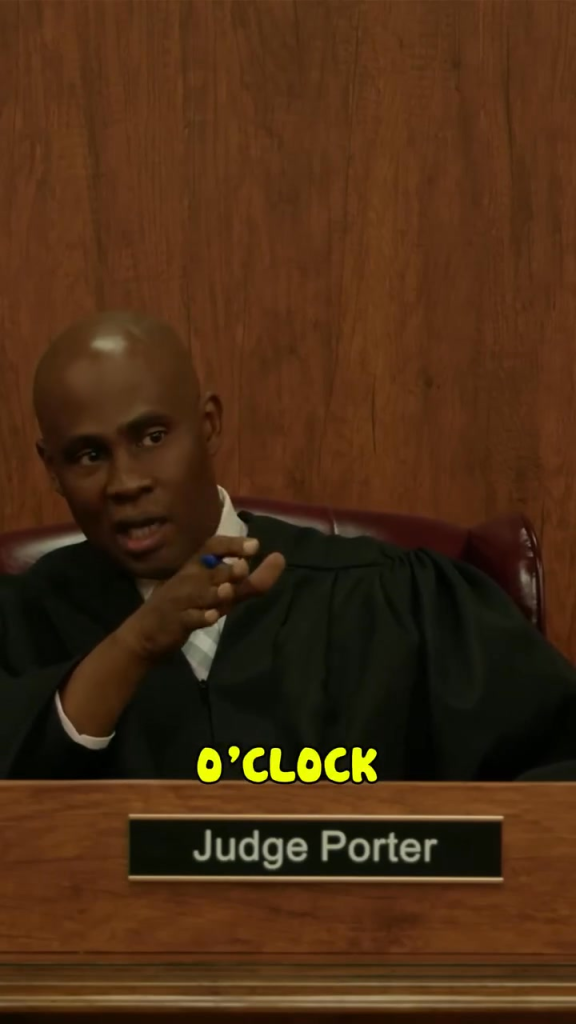
Judge Porter, overseeing the case, sharply criticized Ms. Laughford’s management style, noting that she had exploited her employee by assigning personal tasks that were outside the scope of his job responsibilities.
The judge pointed out that these personal errands, such as driving Ms. Laughford to meetings and picking up her laundry, were a clear attempt to save money and reduce costs at the expense of Mr. Smith’s well-being.

The court also rejected Laughford’s defense about Mr. Smith’s alleged poor performance. Judge Porter emphasized that Mr. Smith had consistently received positive performance reviews prior to his termination, undercutting the argument that he was dismissed for low productivity.
Furthermore, the judge found that requiring Mr. Smith to use his personal phone to perform work-related tasks outside of office hours—without compensation—was a violation of labor laws, as employees should not be expected to use personal resources for work tasks.
In a decisive ruling, Judge Porter awarded Mr. Smith $85,000 in unpaid wages and related expenses. In addition to this amount, Laughford was ordered to pay $10,000 for the emotional and mental distress she caused Mr. Smith due to the excessive workload and poor treatment he endured.
This brought the total compensation Mr. Smith received to $95,000.
Judge Porter concluded the case with a pointed, humorous remark, telling Laughford that if she continued to manage her company by having employees “wear many hats,” people might soon refer to her as the “Mad Hatter.” The comment was met with laughter in the courtroom, highlighting the absurdity of the situation.
This case serves as a reminder of the importance of maintaining healthy work environments and respecting employees’ time and mental health. Judge Porter’s ruling not only highlights the financial compensation owed to Mr. Smith but also serves as a cautionary tale for employers who fail to recognize the boundaries between personal and professional responsibilities.
As the case wraps up, it leaves behind a clear message: exploitation and unfair treatment of workers will not be tolerated, and employees have the right to seek justice when their well-being is at
risk.