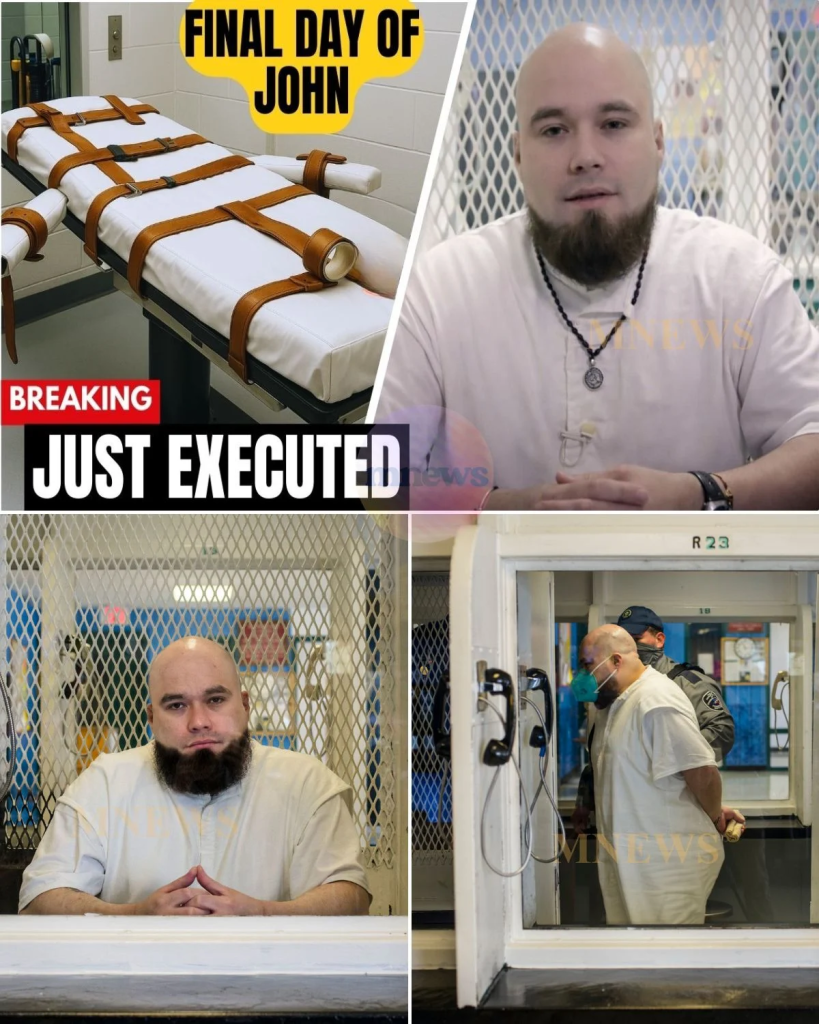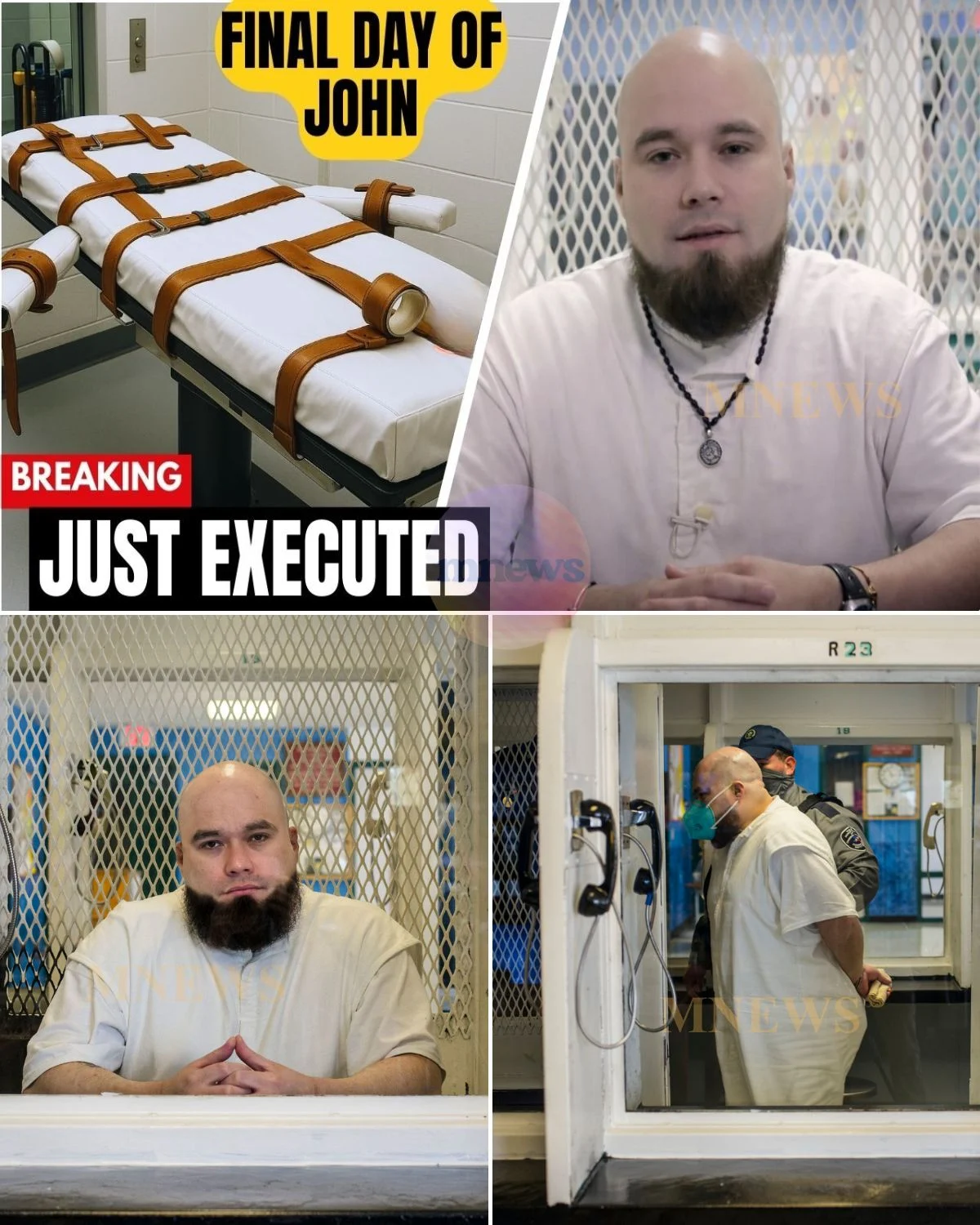
In a harrowing culmination of a brutal crime, John Henry Ramirez was executed by lethal injection on October 5, 2022, at the Huntsville Unit in Texas. His death follows a 2004 robbery and murder that shocked the Corpus Christi community, leaving a father dead and a family shattered.
Ramirez’s execution marks the end of a long legal battle that began with the violent murder of Pablo Castro, a 46-year-old convenience store worker. On that fateful night in July 2004, Ramirez, driven by desperation and addiction, brutally stabbed Castro 29 times in a robbery gone wrong, taking only $1.25 from his victim.
After fleeing to Mexico, Ramirez evaded capture for over three years, living in fear as law enforcement worked tirelessly to track him down. His eventual arrest in 2008 brought relief to the community, but the trial that followed revealed the depths of his violence and the impact of his actions.
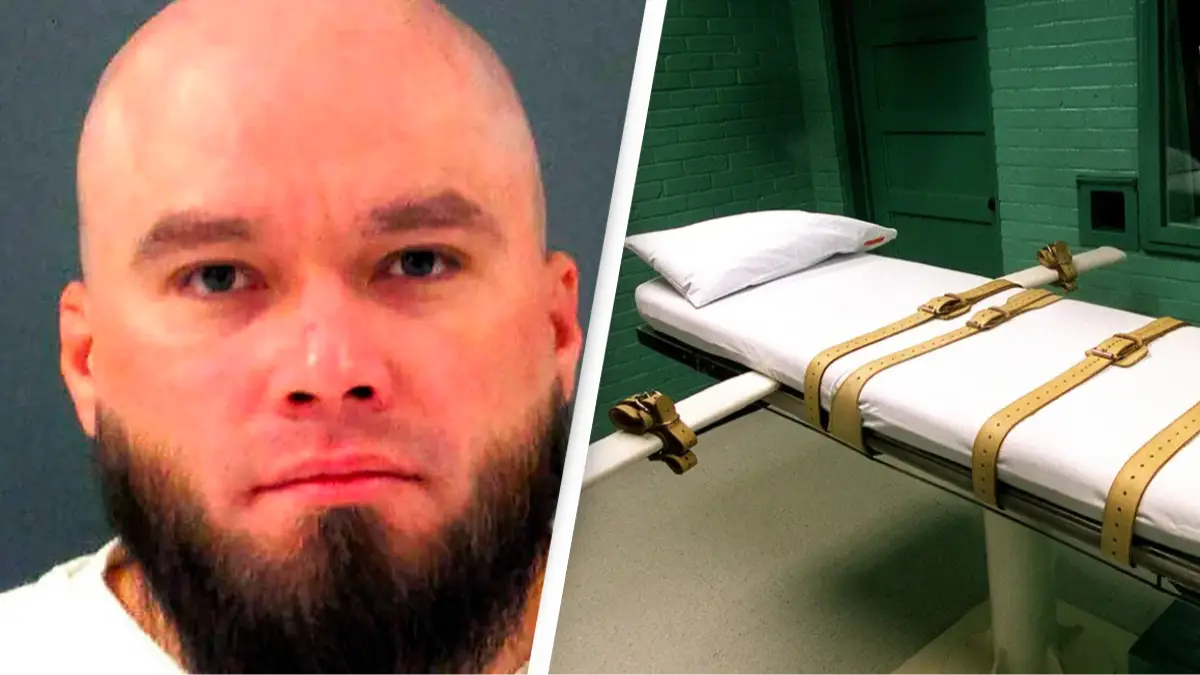
Throughout his trial, the prosecution painted a chilling picture of the crime, while the defense attempted to highlight Ramirez’s troubled past and addiction. Despite their efforts, he was convicted of capital murder and sentenced to death, a verdict that echoed the severity of his actions.
During his time on death row, Ramirez underwent a significant transformation, finding solace in religion and forming a close bond with his prison pastor, Dana Moore. This relationship became vital to him as he faced the consequences of his actions and sought redemption in his final years.
As the execution date approached, Ramirez requested that Pastor Moore be allowed to pray with him during his final moments. This request sparked a legal battle over the rights of death row inmates to receive spiritual support, culminating in a landmark Supreme Court ruling that changed execution protocols nationwide.

On the day of his execution, Ramirez was denied a traditional last meal but spent his final hours reflecting on his life and connecting with loved ones. As he entered the execution chamber, he expressed remorse for his actions and offered words of comfort to Castro’s family, seeking closure for both himself and them.
At 6:41 p.m., after delivering his final words, Ramirez succumbed to the lethal injection, closing a tragic chapter marked by violence, addiction, and the quest for redemption. His execution not only brought an end to his life but also served as a reminder of the devastating consequences of reckless choices and the long reach of justice.