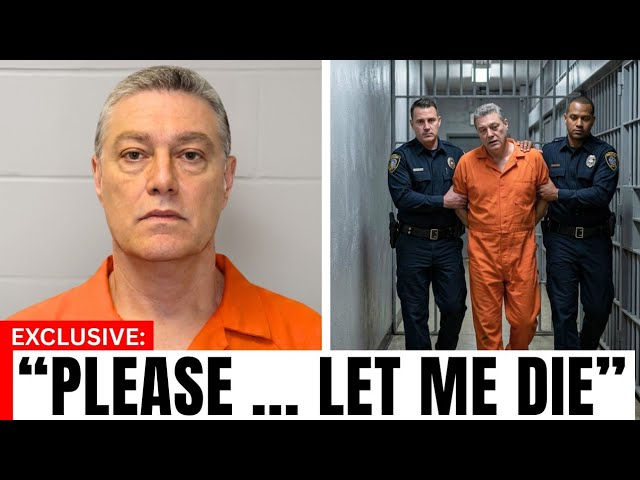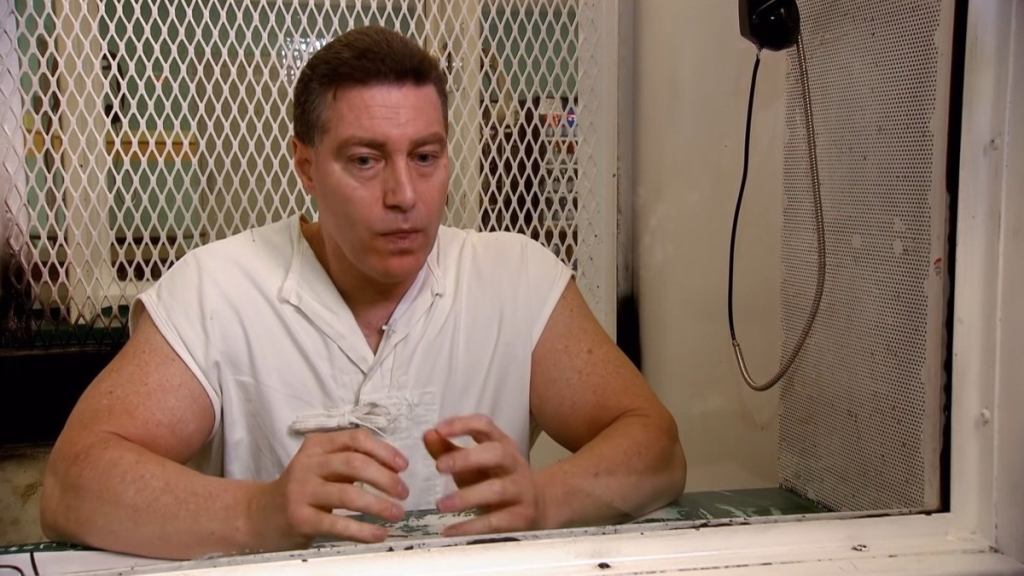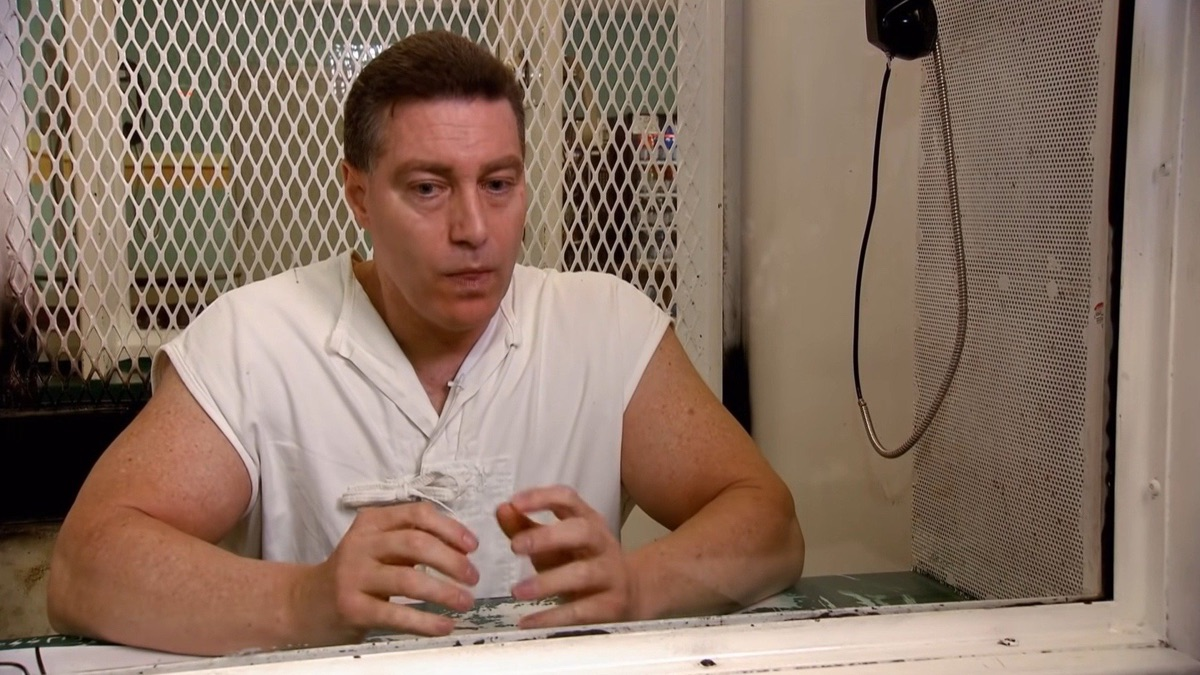
Robert Alan Fratta, a former police officer convicted of orchestrating his wife’s murder, was executed on January 10, 2023, after nearly three decades on Texas’s death row. His life behind bars was a harrowing journey through isolation, psychological torment, and relentless legal battles, culminating in a haunting silence as he faced his end.
Fratta was sentenced to death for the 1994 murder of his wife, Phara, during a bitter divorce. The crime shocked the community, and his conviction in 1996 marked the beginning of a long, torturous saga. Over the years, his case underwent numerous legal challenges, culminating in a retrial in 2009 that reaffirmed his death sentence.
The Allan B. Polunsky Unit, where Fratta spent his years, is notorious for its extreme isolation. Inmates are confined to 60-square-foot cells for 22 hours a day, devoid of television, phone calls, or physical contact with others. This environment has been described as one of the harshest in the U.S., stripping away the very essence of human connection.
Fratta’s daily existence was marked by a relentless grind of indignities. He wrote extensively about the frustrations of prison life, detailing the struggle for basic hygiene items and the collective punishment that left him feeling powerless. His grievances, often ignored, painted a picture of a system designed to break the spirit of its inmates.
Sleep deprivation compounded his suffering, with early morning wake-ups disrupting any semblance of rest. The psychological toll of waiting for execution added another layer of torment, creating a state of anticipatory anxiety that experts say can lead to severe mental deterioration.
Despite the bleakness of his situation, Fratta fought back through the legal system, challenging the validity of his conviction and the methods of his impending execution. His appeals, however, were consistently denied, leaving him trapped in a cycle of hope and despair that few can comprehend.
As the date of his execution approached, Fratta’s demeanor shifted. In his final interview, he expressed a profound exhaustion, revealing how decades of solitary confinement had transformed his outlook on the death penalty. Once a staunch supporter, he became a vocal critic, urging society to reconsider the implications of such a punishment.
On January 10, 2023, a temporary injunction threatened to halt his execution, but the Texas Supreme Court swiftly overturned it. Fratta was transported to the Huntsville Unit, where he would face the culmination of his long ordeal.
In his final moments, Fratta sat quietly, his spiritual advisor by his side as the lethal injection began. When asked for a final statement, he simply replied, “No.” This silence, whether seen as defiance or resignation, left a haunting void, a stark contrast to the life he once led as a law enforcement officer.
As he lay on the gurney, Fratta’s story came full circle. The man who entered prison in 1996 was irrevocably changed by the years of isolation and despair. The complexities of his case, the legal battles, and the psychological torment encapsulate a broader narrative about the death penalty, justice, and the human condition that remains largely untold.
Fratta’s execution not only marked the end of his life but also sparked renewed discussions about the ethics of capital punishment. His case serves as a chilling reminder of the human cost of a system that often prioritizes retribution over rehabilitation, leaving behind a legacy of suffering and unanswered questions.