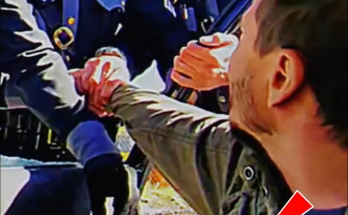
In today’s fast-paced digital world, news travels faster than ever before. Social media platforms, blogs, and alternative news websites allow information to reach millions in minutes. But this speed comes with a downside: unverified claims, speculation, and outright misinformation can spread just as quickly. Recently, a series of posts and articles claiming that a former President of the United States is facing imminent arrest on serious criminal charges have gone viral, causing confusion, concern, and heated debate online.
Despite the sensational nature of these claims, it is important to note that no official confirmation has been issued. Neither the Department of Justice (DOJ), federal law enforcement agencies, nor the legal team representing the former president have made statements supporting these allegations. As of now, the reports remain unverified and lack credible evidence.
This article takes a deep dive into how such claims emerge, why they gain traction, and what readers can do to distinguish fact from fiction in today’s digital news environment.
The Claims That Sparked Online Frenzy
The viral posts circulating across social media platforms and various websites allege that federal authorities are preparing to indict and arrest a former U.S. president on charges ranging from treason to conspiracy-related offenses.
These reports often feature:
- Anonymous or unnamed sources claiming insider knowledge
- Assertions of secret indictments or clandestine investigations
- Predictions of immediate arrests or sweeping legal action
- Speculation about extreme penalties or consequences
While the stories are dramatic and designed to provoke an emotional reaction, they are not supported by verifiable evidence. No mainstream media outlet has corroborated these claims, and there are no public court records or official statements confirming them.
No Confirmation From Official Channels
One of the most important facts readers should understand is this: there has been no public announcement, court filing, indictment, or arrest warrant related to these claims.
In cases involving high-profile figures, particularly former presidents, legal actions leave documented trails. Federal court filings, grand jury proceedings, and other legal documents are publicly accessible, and journalists, watchdog organizations, and legal analysts monitor them closely.
Currently:
- No indictments have been unsealed
- No arrest warrants have been issued
- Federal court dockets do not support the claims
- Reputable news organizations have not verified the story
The absence of these indicators strongly suggests that the viral posts are speculative rather than factual.
How Federal Criminal Processes Actually Work
Understanding the legal system clarifies why these claims are unlikely to be accurate.
Transparency in Federal Investigations
Federal criminal cases—especially those involving prominent public figures—require:
- Formal investigations
- Reviews by career federal prosecutors
- Grand jury proceedings
- Court documentation
- Oversight by judges
These processes generate official records. Arrests and indictments are rarely carried out in complete secrecy. Even preliminary investigations eventually produce evidence that can be verified by journalists and legal analysts.
The Role of the Department of Justice
The DOJ operates under strict procedures. While investigations may begin confidentially, any legal action against a former president would be conducted with transparency. Arrests, indictments, or other significant actions would involve:
- Careful review by career prosecutors
- Judicial oversight
- Congressional and public attention
- Immediate coverage by multiple media outlets
The fact that none of these indicators exist casts serious doubt on the accuracy of the viral claims.
Why Misinformation Spreads So Easily
Understanding why these claims gain traction is key to addressing the problem.
Emotional Headlines Capture Attention
Sensational headlines—especially those involving arrests, treason, or national security—tend to trigger strong emotional reactions. People are more likely to share posts that provoke fear, anger, or outrage, increasing the speed at which misinformation spreads.
Political Polarization
In a polarized political climate, readers may accept claims that align with their existing beliefs without verifying sources. This reinforcement of preexisting opinions amplifies the spread of misleading information.
Limited Media Literacy
Many internet users are not trained to distinguish between verified reporting and speculation. A lack of media literacy makes it easier for false claims to gain credibility. Understanding how to verify sources, cross-check information, and differentiate opinion from fact is critical in combating misinformation.
The Risks of Publishing Unverified Claims
Publishing unverified criminal allegations about public figures carries significant consequences.
Legal and Ethical Dangers
- Defamation lawsuits can arise from false claims
- Individuals’ reputations may be unfairly damaged
- Publishers can face penalties or loss of monetization from platforms like Google AdSense
AdSense, in particular, prohibits content that presents false allegations as fact, making accuracy essential for website monetization.
Erosion of Public Trust
Misinformation erodes trust in journalism, government institutions, and the justice system. When false claims circulate unchecked, the public may struggle to distinguish between legitimate investigations and fabricated stories. Over time, this can weaken the effectiveness of accountability mechanisms and democratic discourse.
Historical Context: Legal Scrutiny of Former Presidents
While former presidents have faced investigations, public criticism, and political controversy throughout history, actual criminal prosecutions are extremely rare. Any legitimate legal action would involve:
- Extensive reporting by established media outlets
- On-the-record statements from officials or experts
- Court filings and judicial oversight
- Immediate bipartisan attention and coverage
The lack of these indicators in the current viral claims further supports skepticism.
How Responsible Journalism Addresses Misinformation
Credible reporting requires:
- Verifiable sources
- Clear attribution
- Distinction between fact and opinion
- Updates as situations evolve
Reputable outlets rarely publish claims based solely on anonymous sources unless they are corroborated by official documents or multiple independent confirmations.
How Readers Can Protect Themselves
Verify the Source
Ask:
- Is the news outlet reputable?
- Does it reference official documents or statements?
- Are named experts or credible witnesses quoted?
Look for Corroboration
Major news events are reported by multiple sources. If only one website publishes a sensational claim, caution is warranted.
Check Official Statements
Government agencies publish press releases, court records, and filings. The absence of these sources is a strong signal that a claim may be inaccurate.
Why “Breaking” Claims Gain Temporary Traction
Search engines may briefly prioritize sensational stories due to high engagement, clicks, and trending keywords. However, over time, algorithms favor accuracy, authority, and trustworthiness. Sites repeatedly publishing false or misleading content risk losing visibility, audience trust, and monetization opportunities.
The Broader Impact of Political Misinformation
Social Consequences
- Fueling anger and polarization
- Increasing distrust in institutions
- Encouraging harassment or threats
Long-Term Effects
- Normalizing extreme or unverified claims
- Weakening public discourse
- Undermining confidence in legitimate accountability measures
Misinformation can have lasting societal consequences if it spreads unchecked.
Context and Nuance Are Essential
Complex legal and political matters cannot be reduced to dramatic headlines. Understanding:
- Legal standards
- Due process requirements
- Evidence-based procedures
…helps readers engage critically rather than reactively.
What We Know For Certain
At this moment:
- No verified evidence supports claims of an arrest
- No indictments have been issued publicly
- There are no official DOJ statements confirming action
- Reports originate from unverified sources
Readers should approach these claims with caution until credible confirmation emerges.
The Importance of Accuracy Over Speed
In today’s media environment, speed often competes with accuracy. However:
- False breaking news can damage credibility irreparably
- Corrections rarely reach as wide an audience as initial claims
- Trust, once lost, is difficult to regain
Responsible journalism prioritizes verification and fact-checking over virality.
Conclusion: Separating Fact From Fiction
Extraordinary claims require extraordinary evidence. As of now, viral allegations about a former U.S. president lack verification, official statements, or court records.
Public interest in accountability is legitimate—but it must be grounded in reality, due process, and credible information. Social media users, publishers, and platforms all share responsibility for ensuring that information is accurate, fair, and responsibly presented.
In a world where misinformation can spread globally within minutes, critical thinking is one of the most valuable tools readers can employ. Approaching sensational claims with skepticism, verifying sources, and seeking credible reporting are essential steps in maintaining trust, civility, and informed public discourse.