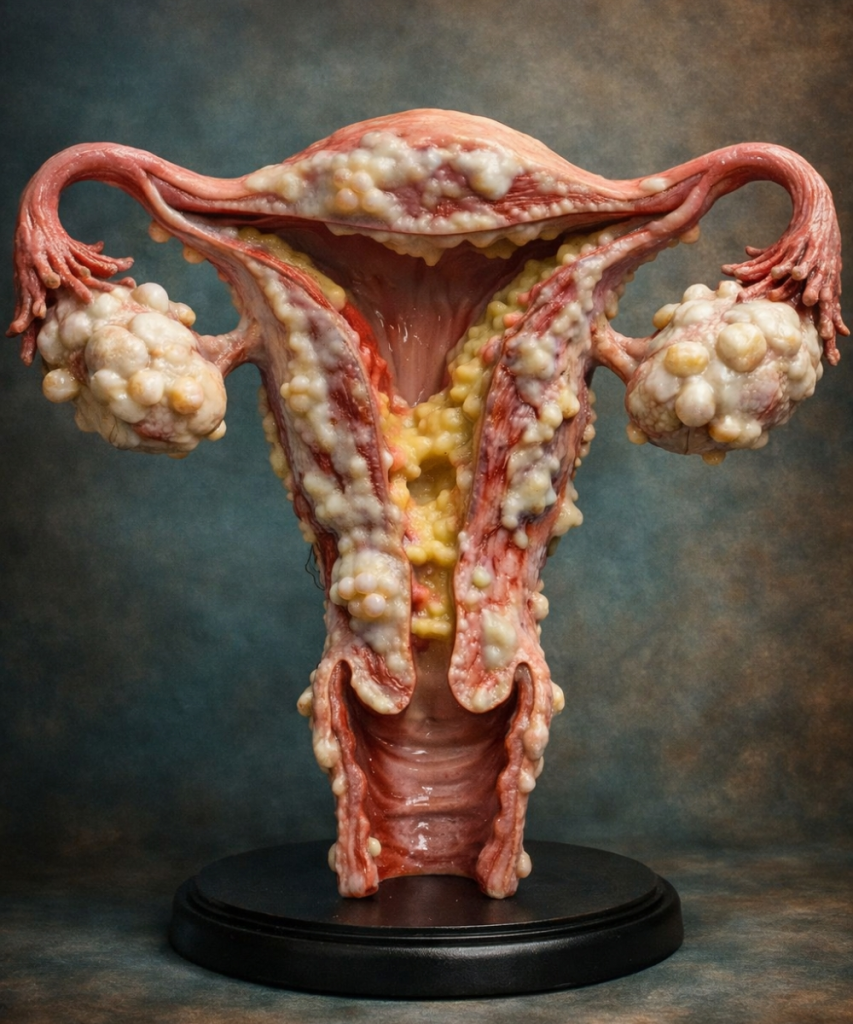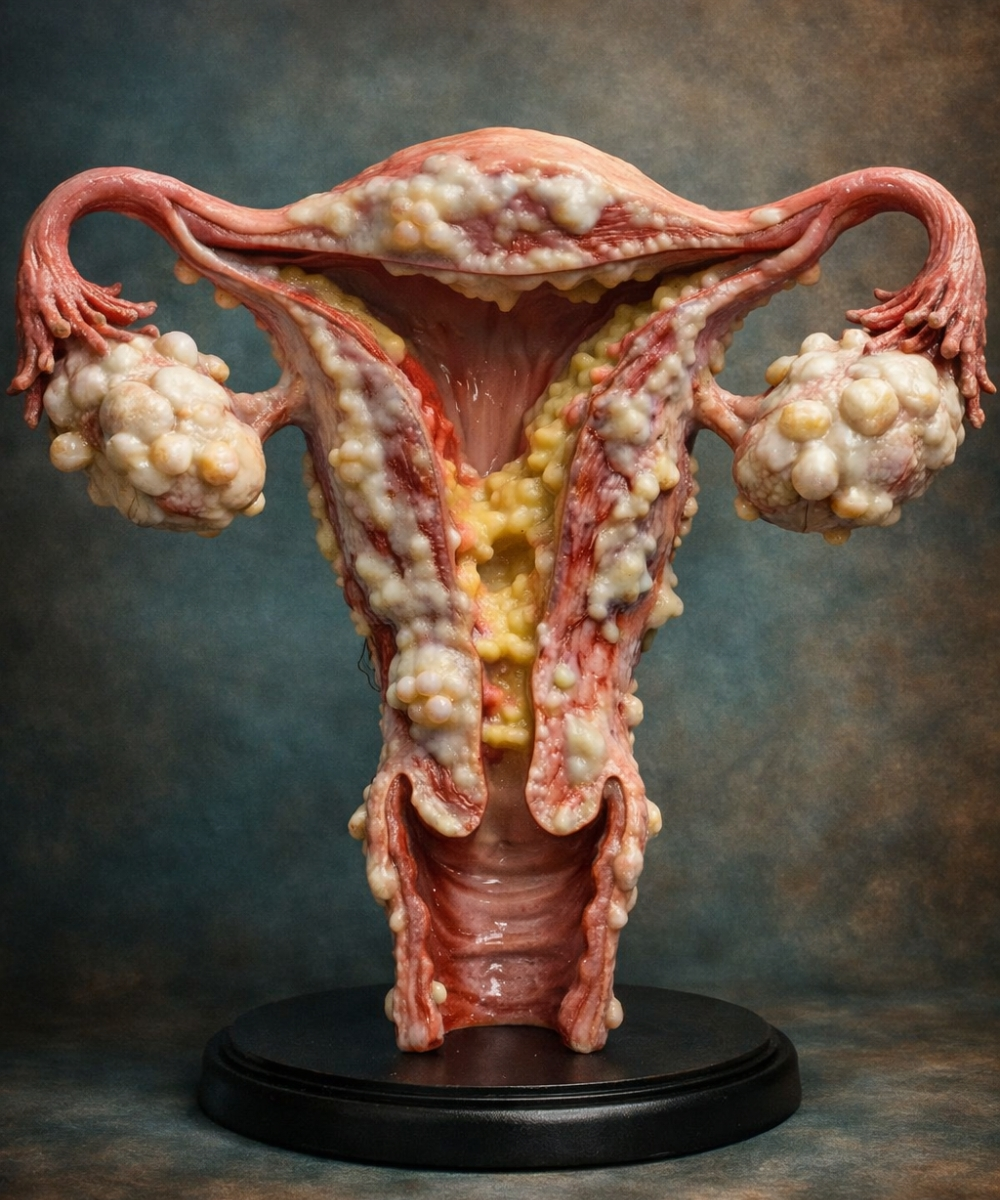
Recurrent yeast infections are far more common than most people realize. Many women experience vaginal candidiasis not just once, but over and over again—sometimes even every month. This can be frustrating, uncomfortable, and confusing, especially when it feels like you’re “doing everything right.”
So why does it keep coming back?
The truth is, many triggers are hidden in everyday habits. Even small lifestyle factors can disrupt the natural balance of the vaginal environment and make it easier for yeast to overgrow again and again.
Let’s break down the most common reasons recurrent yeast infections happen—and what actually helps reduce the risk.

What Is a Yeast Infection, in Simple Terms?
A yeast infection is usually caused by an overgrowth of a fungus called Candida. This organism normally lives in the body in small amounts without causing problems.
Trouble starts when the natural balance of bacteria and yeast in the vagina is disrupted. When that balance shifts, yeast can multiply too much and lead to symptoms.
When this happens four or more times a year, it’s often called recurrent vaginal candidiasis.
8 Surprising Reasons Yeast Infections Keep Coming Back
1. Antibiotic Use
Antibiotics don’t just kill harmful bacteria—they also kill beneficial bacteria that help keep yeast under control.
When these “good” bacteria are reduced, yeast can grow more easily, increasing the risk of repeated infections.
What helps:
Only use antibiotics when truly necessary and follow medical advice closely.
2. High Sugar Intake
Yeast feeds on sugar. Diets high in refined sugars and processed carbohydrates may make it easier for yeast to thrive.
What helps:
A more balanced diet with fewer sugary foods and drinks can support better overall balance in the body.
3. Tight or Non-Breathable Clothing
Tight clothing and fabrics that don’t breathe well can create a warm, moist environment, which yeast loves.
What helps:
Choosing breathable fabrics and avoiding overly tight clothes may help reduce moisture buildup.
4. Hormonal Changes
Hormonal shifts—such as those related to the menstrual cycle, pregnancy, or certain hormonal medications—can change the vaginal environment and make yeast overgrowth more likely.
What helps:
Being aware of patterns and talking to a healthcare professional if infections seem linked to hormonal changes.
5. Frequent Use of Scented Products
Scented soaps, sprays, and hygiene products can irritate sensitive tissues and disrupt the natural balance of microorganisms.
What helps:
Using gentle, unscented products designed for sensitive skin can reduce irritation and imbalance.
6. High Stress Levels
Chronic stress can affect the immune system, making it harder for the body to keep yeast growth under control.
What helps:
Managing stress through rest, movement, and healthy routines supports overall immune health.
7. Weakened Immune System
When the immune system is under strain—due to illness, poor sleep, or other factors—the body may struggle to keep yeast levels in check.
What helps:
Prioritizing sleep, balanced nutrition, and general health can support immune function.
8. Incomplete or Incorrect Treatment
Sometimes symptoms improve, but the underlying imbalance isn’t fully resolved. This can allow the infection to return.
What helps:
Following treatment instructions carefully and consulting a healthcare professional if infections keep returning.
What Actually Helps Prevent Recurrence?
While there’s no single “magic fix,” these steps can help lower the risk:
- Maintain a balanced, nutritious diet
- Avoid unnecessary antibiotic use
- Choose gentle, unscented hygiene products
- Wear breathable, comfortable clothing
- Manage stress and get enough rest
- Seek medical advice for repeated infections
If yeast infections are happening often, it’s especially important to talk to a healthcare professional. Recurrent symptoms may need proper evaluation and targeted treatment.
When to See a Doctor
You should consider medical advice if:
- Infections keep coming back frequently
- Symptoms don’t improve with treatment
- You’re unsure whether it’s really a yeast infection
- The discomfort is severe or persistent
Not all vaginal symptoms are caused by yeast, and getting the right diagnosis matters.
The Bottom Line
Recurrent yeast infections are common—and they’re often triggered by everyday habits, hidden imbalances, or lifestyle factors. From antibiotics and sugar intake to stress and clothing choices, small things can make a big difference over time.
The good news? With the right habits and proper medical guidance, many people can reduce how often these infections return and feel more comfortable and confident in their daily lives.
If this keeps happening to you, you’re not alone—and you don’t have to just “live with it.” Getting the right support can make a real difference.