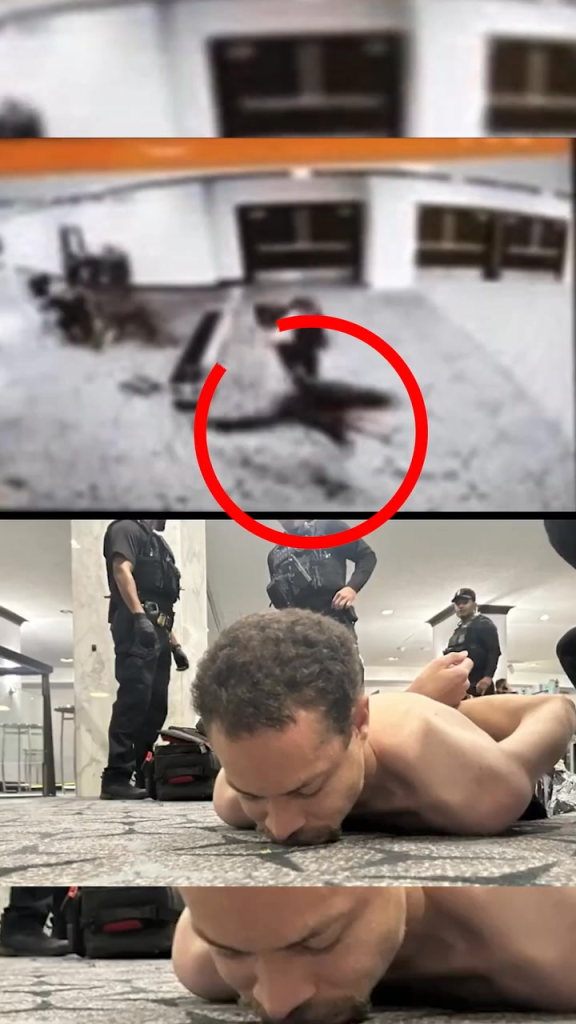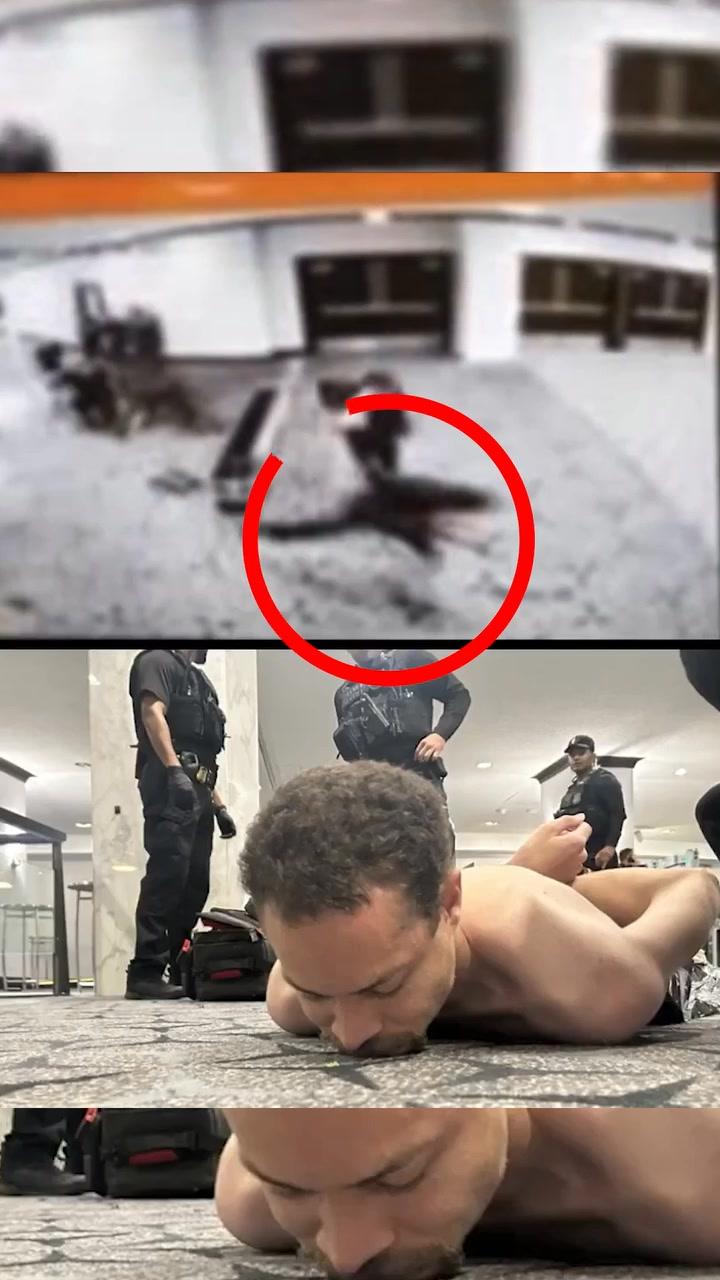
A major security incident unfolded during the White House Correspondents’ Dinner in Washington, D.C., after reports of gunfire triggered panic among attendees and a rapid response from federal agents.
The event, held at the Washington Hilton, was attended by high-profile figures including Donald Trump and JD Vance, along with members of the media, government officials, and other guests.
According to reports, the situation began when a suspect approached a secured checkpoint area and opened fire, causing immediate chaos. Guests inside the venue described hearing loud “boom” sounds, prompting many to duck under tables as confusion spread.
The United States Secret Service responded within seconds. Agents quickly moved to evacuate protected individuals, prioritizing their safety as the situation unfolded. Both Trump and Vance were escorted out of the area as part of standard emergency protocols.
During the incident, at least one agent was struck but was protected by body armor and survived without life-threatening injuries.
Authorities later identified the suspect as Cole Tomas Allen, who was reportedly armed with multiple weapons, including firearms and knives. He was taken into custody shortly after the incident following a rapid law enforcement response.
The shooting did not occur inside the main ballroom but near a security screening area outside the event space, which helped limit casualties. Officials confirmed that no attendees were killed, and the situation was contained relatively quickly.
Following the incident, the event was ultimately canceled as authorities secured the scene and began their investigation. Law enforcement agencies are now working to determine the suspect’s motive and whether any additional threats exist.
The incident has raised concerns about security at large-scale political events, even those with extensive protective measures in place.
As more details continue to emerge, officials are expected to provide further updates regarding the investigation, the suspect’s background, and any potential charges.
For now, the focus remains on understanding how the situation unfolded—and how close it came to becoming far worse.