
Donna Adelson, now 75, has been sentenced to life in prison without the possibility of parole for her involvement in a high-profile murder-for-hire case. This punishment, many argue, is worse than the death penalty, as it condemns her to a life of prolonged suffering and isolation within the confines of the Florida prison system.

The courtroom fell silent as the judge delivered the verdict, marking the end of a notorious case that captivated Florida and beyond. Donna’s life, once filled with structure and family cohesion, has now been reduced to a series of monotonous routines dictated by prison regulations. With no chance of parole, her existence will be defined by a lack of autonomy and the gradual erosion of her health and dignity.
Before her arrest, Donna was a matriarch in an affluent community, her life characterized by family gatherings and social status. However, the legal battle over her grandchildren’s custody led to a fracture in her family that ultimately spiraled into violence. The murder of Dan Markel, her son-in-law, was the tragic culmination of this conflict, with Donna allegedly orchestrating the crime to regain control over her family.
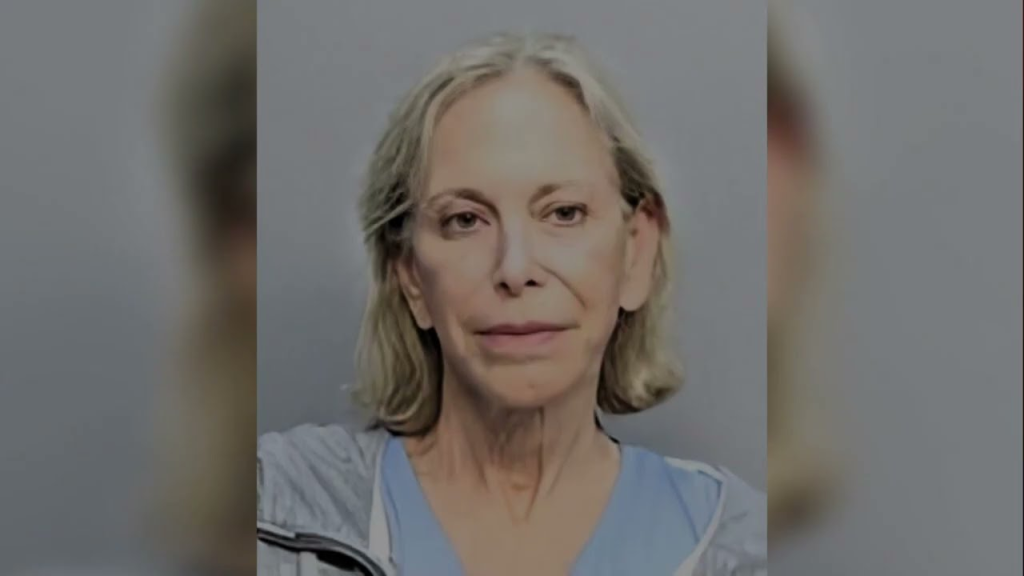
Following a lengthy investigation, law enforcement uncovered a complex web of financial transactions and communications that pointed to Donna’s involvement. The evidence, including recorded conversations and financial records, painted a clear picture of a conspiracy that led to Markel’s death. As the case unfolded, Donna’s family members were also implicated, further entrenching her in a narrative of betrayal and loss.
After her arrest, Donna was denied bail, deemed a high flight risk due to her attempt to leave the country. This marked her abrupt transition from a life of privilege to the harsh realities of incarceration. The psychological impact of this shift is profound, as she now faces a future devoid of freedom and control over her life.

In prison, Donna’s days are marked by rigid schedules and limited personal interactions. The environment strips away individuality, replacing it with a system that prioritizes compliance over comfort. As she ages, the challenges of prison life will only intensify, with her health likely to decline without the necessary care and support.
 The consequences of her actions extend beyond her own life, affecting her family and the victims of her crime. The emotional toll on those connected to her is immeasurable, as they navigate a legacy of violence and notoriety that cannot be escaped.
As the public continues to grapple with the implications of Donna Adelson’s case, the question remains: is life in prison truly a fate worse than execution? While the death penalty delivers a swift end, a life sentence without parole subjects individuals to enduring suffering, a relentless cycle of punishment that stretches out the consequences of their actions indefinitely.
In the end, Donna’s story serves as a stark reminder of the long-lasting effects of crime, not just on the perpetrator, but on everyone intertwined in the web of tragedy. The narrative of justice in this case is complex, raising critical questions about the nature of punishment and the human condition in the face of irreversible choices.