A workplace injury dispute unfolded in Judge Porter’s courtroom after a former freight employee claimed his company dismissed him immediately following a serious accident. The case, involving Mango Park Freight and Logistics, centers on whether the employer should cover extensive medical costs and other damages tied to injuries the worker says happened on the job.
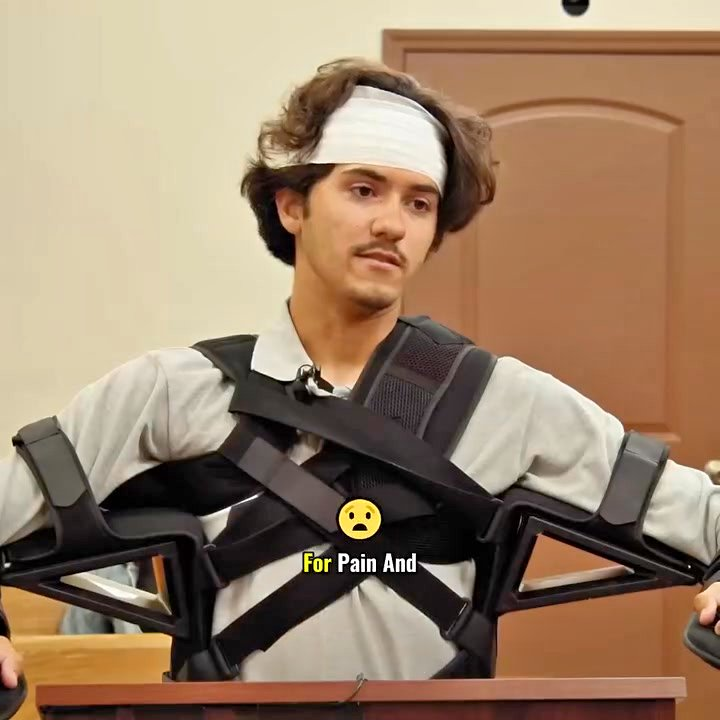
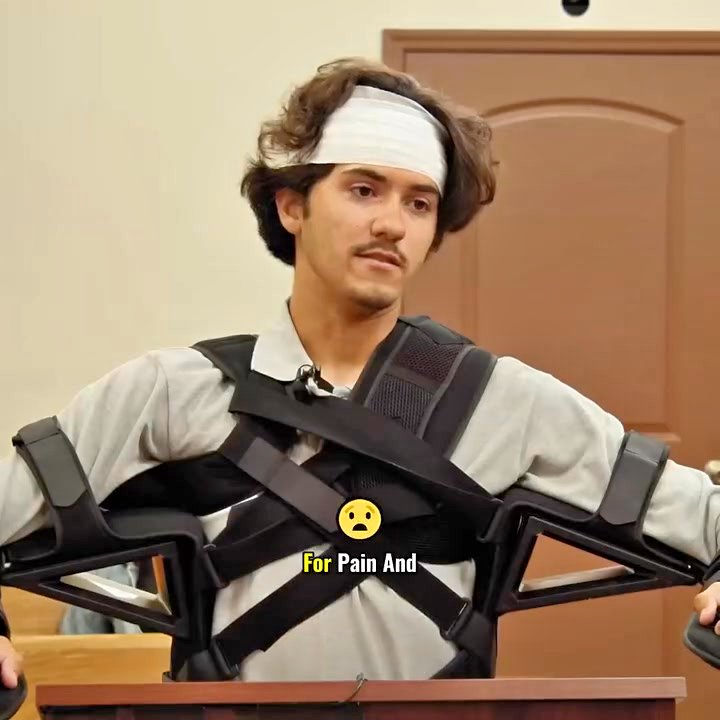
The plaintiff appeared in court wearing visible supports on both arms and described a long list of physical problems that he said began when cargo collapsed during a warehouse shift. He told the court he suffered two broken arms, a concussion, and possible neck or spinal complications, leaving him struggling with basic tasks and uncertain about his recovery.
According to his testimony, the accident happened while he was moving crates onto a pallet after a large order arrived at the facility. He said one of the pallet boards appeared loose, the load became unstable, and a heavy box fell onto him as he tried to keep the shipment from crashing to the floor.
The worker said the incident occurred during ordinary job duties, not because he was ignoring instructions or acting outside his responsibilities. That distinction became important as the hearing turned to why he was no longer employed, despite being injured while performing labor for the company.
In one of the hearing’s most striking moments, the employee said he never received a clear explanation for his termination. Instead, he testified, a manager sent a text message stating only that his services would no longer be needed after he had already sought treatment for his injuries.
The account prompted visible concern from Judge Porter, who repeatedly questioned how an employee could be hurt at work and then dismissed without further explanation. As the plaintiff spoke, the judge summarized the allegation plainly: the company had allegedly let him go after a workplace injury connected to a work related task.

The employee also told the court that his financial problems worsened after the accident because expected coverage for medical care never materialized. He said the company was supposed to have insurance for workers, yet he had not received payment, reimbursement, or any meaningful contact from an insurer handling the claim.
Asked whether he had his own insurance policy, the plaintiff said he did not, making the dispute over employer responsibility even more urgent. He added that attempts to reach the company’s insurance provider led only to voicemail, leaving him frustrated and increasingly convinced that he was being ignored.
The hearing offered no sign of a company representative prepared to challenge the worker’s version of events when the case was called. After asking more than once whether anyone from Mango Park Freight and Logistics was present, Judge Porter found himself hearing the allegations without an opposing explanation in the room.
That absence appeared to heighten the judge’s skepticism, especially as the plaintiff described a workplace with little support and poor communication. When asked whether the site was unionized, the worker said he did not believe so and suggested the company did not manage employee issues well.
Courtroom exchanges showed the plaintiff trying to explain not only his injuries but the disorientation that followed them, including memory gaps and uncertainty about the full extent of the damage. Even so, his core allegation remained consistent: he was injured while handling freight, treated medically, and then effectively discarded by his employer.
Judge Porter pressed for details on the timing of the firing and the handling of hospital bills, attempting to determine whether proper procedures had been followed. The plaintiff’s responses pointed to confusion instead of process, with no formal justification for dismissal and no evidence that the employer had stepped forward to manage the aftermath.
In a dramatic turn, the judge stopped the proceedings momentarily and searched for the company while on the bench. He then placed a phone call seeking the manager identified by the plaintiff, signaling that the court wanted immediate answers rather than another delayed appearance.

The attempted call underscored the central issue raised by the case: whether an employer can avoid responsibility by remaining silent after a serious incident. It also reinforced the plaintiff’s complaint that communication had been sparse from the beginning, from the termination message to the unanswered insurance contacts.
Although the video centers on a courtroom confrontation, the dispute reflects broader concerns about workplace safety, injury reporting, and post accident protections for employees. Cases like this often raise questions about maintenance standards, staff training, claims handling, and whether workers understand their rights after being hurt on the job.
The plaintiff portrayed himself as a young worker whose life changed suddenly because of one failed pallet and one brief text message. He said he can no longer do many ordinary activities, and he came to court, in his words, to let the truth out and seek justice.
No ruling was shown in the excerpt, but the issues before Judge Porter were clearly framed by the testimony and the company’s absence. At stake are unpaid medical expenses, possible compensation for pain and suffering, and a broader determination of whether Mango Park Freight and Logistics failed in its duty to an injured employee.
The hearing also illustrated the practical challenge facing injured workers who are suddenly separated from their jobs before claims are resolved. Without wages, insurance guidance, or direct communication from management, even straightforward questions about treatment, rehabilitation, and liability can become difficult to answer.
For viewers, the case serves as a reminder that employment disputes often begin not with courtroom arguments but with chaotic moments on ordinary workdays. What happens next, from emergency care to employer response, can shape both a worker’s future and a company’s legal exposure.
As the court sought contact with the manager, the unresolved conflict stood as a stark test of accountability after a warehouse accident. Whether the company ultimately pays will depend on the evidence, but the worker’s story has already put its practices under public scrutiny.