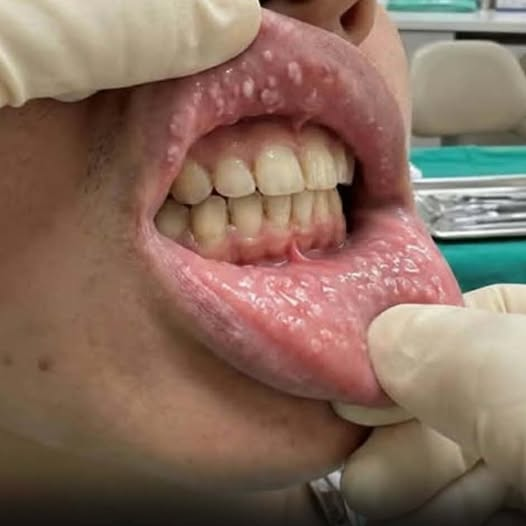
Discovering a lump or bump on your lips can be unsettling. It’s natural to feel concerned, especially when the skin in this area is delicate and any unusual change is immediately noticeable. However, not all lip lumps are dangerous. Many are harmless and may not require treatment, but it’s important to understand the differences, recognize warning signs, and know when to consult a healthcare professional.
Common Causes of Lip Lumps
1. Fordyce Glands
One of the most common benign causes of bumps on the lips is Fordyce glands. These are tiny sebaceous (oil) glands that naturally occur on the lips and other mucosal areas. Unlike typical sebaceous glands associated with hair follicles, Fordyce glands appear on hairless regions of the lips and are entirely normal.
- Appearance: Small, white or yellowish spots
- Symptoms: Usually painless and non-inflamed
- Treatment: None required; harmless
Fordyce glands are not contagious and do not pose any health risk. They can be more visible in adults with lighter skin, and while they may cause cosmetic concerns for some, they generally remain stable throughout life.
Healthy food recipes
2. Cold Sores (Herpes Simplex Virus)
Cold sores, caused by the herpes simplex virus (HSV-1), are another common cause of lip lumps. Unlike Fordyce glands, these bumps often indicate an active viral infection and can be uncomfortable or painful.
- Early Signs: Burning, itching, or tingling sensation on the lips
- Progression: Fluid-filled blisters that eventually scab over
- Triggers: Stress, fever, illness, or a weakened immune system
- Contagion: Highly contagious, especially during active outbreaks
Cold sores typically resolve on their own within 7–10 days, though antiviral medications can help reduce the duration and severity. It’s important to avoid touching the sores and to practice good hygiene to prevent spreading the virus to others.
3. Cysts and Mucocele
Sometimes, a lump on the lip is caused by a mucocele, a type of cyst that forms when a salivary gland duct is blocked or damaged. Mucoceles are usually soft, painless, and bluish in color.
- Common Cause: Lip biting or trauma
- Treatment: Many mucoceles resolve spontaneously; persistent or large cysts may require minor surgical removal
- Symptoms: Painless, slow-growing, soft, fluid-filled bump
Mucoceles are harmless but can be bothersome if they interfere with eating or speaking.
4. Allergic Reactions and Inflammation
Allergic reactions to cosmetics, dental products, or certain foods can also cause temporary swelling or bumps on the lips. In such cases, the lumps may be accompanied by redness, itching, or a burning sensation.
- Common Triggers: Lip balms, toothpaste, lipsticks, nuts, shellfish, or medications
- Treatment: Identifying and avoiding the allergen; antihistamines may help reduce symptoms
When Lip Lumps Require Medical Attention
While most lip lumps are benign, there are certain signs that indicate a need for professional evaluation:
- Pain or tenderness that doesn’t resolve
- Rapid growth or spreading of bumps
- Inflammation or redness that worsens over time
- Discharge or bleeding from the lump
- Persistent lumps that do not improve within a few weeks
Consulting a doctor is especially important for individuals with a history of skin cancer or other underlying health conditions. Early evaluation can ensure appropriate care, prevent complications, and provide peace of mind.
Healthy food recipes
Differentiating Benign and Concerning Lumps
Understanding the differences between harmless and potentially serious lip lumps is essential.
| Feature | Likely Benign | Concerning |
|---|---|---|
| Pain | Usually none | Often painful or tender |
| Color | White, yellow, bluish | Red, purple, or dark irregular patches |
| Growth | Stable | Rapid growth or changes in size |
| Duration | Long-term, unchanged | Persistent, worsening over weeks |
| Additional Symptoms | None | Bleeding, ulceration, numbness, or systemic symptoms |
Being attentive to these characteristics helps individuals make informed decisions about monitoring or seeking medical evaluation.
Tips for Monitoring Lip Lumps
Even harmless lumps warrant occasional monitoring to ensure they remain stable. Here are practical steps:
- Document Changes: Take photos weekly to track size, color, and shape
- Avoid Picking or Squeezing: This can cause irritation or infection
- Maintain Lip Hygiene: Clean lips gently and use hypoallergenic products
- Seek Prompt Evaluation: If you notice sudden changes, persistent pain, or discharge
Lifestyle Factors That Affect Lip Health
Maintaining overall lip health can reduce the likelihood of developing lumps or irritation. Key factors include:
Healthy food recipes
- Hydration: Dry, chapped lips are more prone to injury and inflammation
- Nutrition: Vitamins A, C, and E support healthy skin and mucous membranes
- Sun Protection: UV exposure can damage delicate lip tissue; use SPF lip balms
- Avoid Trauma: Minimize biting, licking, or aggressive scrubbing of the lips
Special Considerations
Certain populations may need to be especially vigilant:
- People with weakened immune systems are more prone to viral infections like cold sores.
- Individuals on medication such as steroids may experience delayed healing of lip injuries.
- Those with a history of skin or lip cancer should have new or changing bumps evaluated promptly.
Myths and Misconceptions About Lip Lumps
There are many misconceptions regarding lumps on the lips:
- “All lumps are cancerous.”
- The vast majority are benign, including Fordyce spots, mucoceles, and cold sores.
- “If it doesn’t hurt, it’s fine.”
- Pain isn’t always present in serious conditions, so monitor for other warning signs.
- “Home remedies can cure any lump.”
- While hydration and gentle care are beneficial, some lumps require medical evaluation or treatment.
Understanding the science behind lip lumps helps dispel fear and encourages responsible health decisions.
Healthy food recipes
When to Consider Dermatology or Oral Surgery
For persistent or concerning lumps, specialists can provide accurate diagnosis and treatment:
- Dermatologists evaluate skin-related bumps, including Fordyce glands or suspicious lesions.
- Oral surgeons may address cysts, mucoceles, or other structural abnormalities.
- Infectious disease specialists manage recurrent viral outbreaks like HSV-1.
Modern diagnostic tools, including biopsies and imaging, allow for precise assessment and minimally invasive treatment when necessary.
Final Thoughts
Finding a lump on your lips can be alarming, but knowledge is empowering. Most lumps are harmless, such as Fordyce glands or small cysts. Others, like cold sores, are manageable with proper care.
The key is to monitor changes, maintain good lip health, and consult healthcare professionals when warning signs appear. By doing so, you ensure both peace of mind and effective management, whether the bump is a minor cosmetic concern or a condition requiring treatment.
Healthy food recipes
Your lips are not just a cosmetic feature—they reflect overall health, hydration, and even immune function. Treat them gently, stay informed, and don’t ignore changes that could signal something more serious.