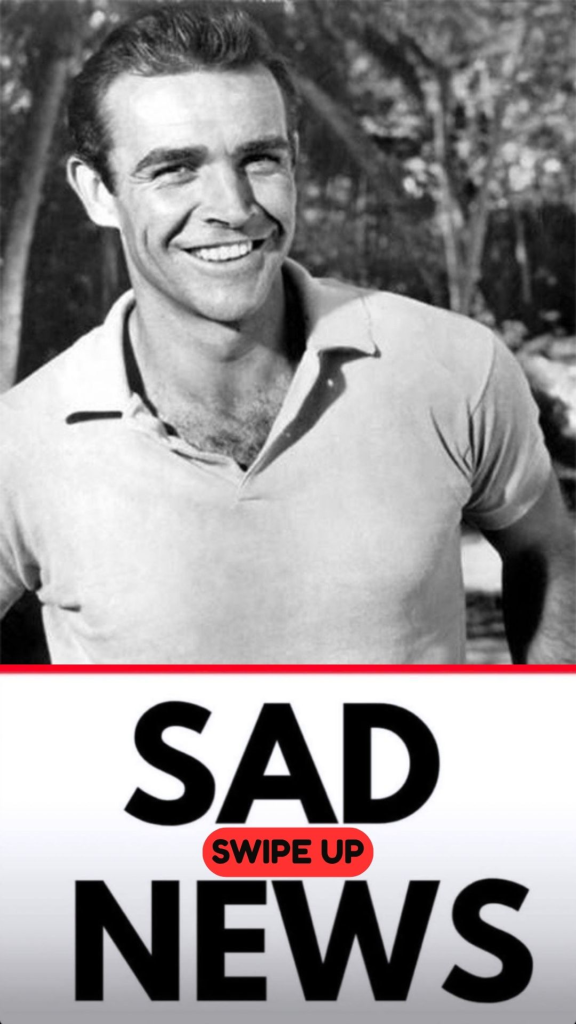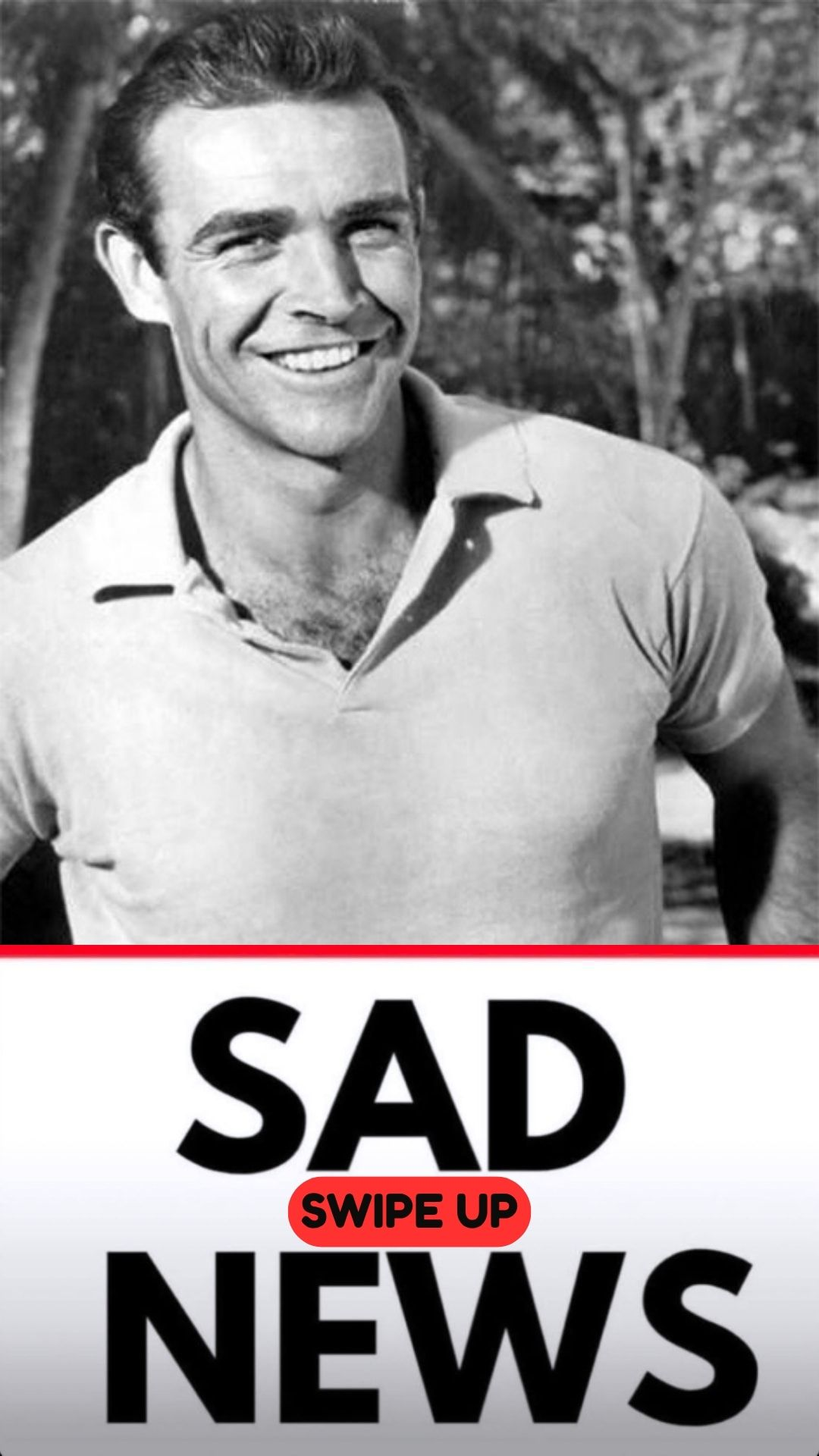
The world mourns the loss of one of its most iconic actors, Sir Sean Connery, who passed away at the age of 90 in the Bahamas. His family confirmed that he died peacefully in his sleep after being “unwell for some time,” with his son noting that many family members who could be present were by his side during his final moments in Nassau.
Connery’s career spanned seven decades, during which he became a defining figure in both British and international cinema. His death marks the passing of not just the original James Bond, but a figure whose charisma, talent, and gravitas left a permanent mark on the film industry.
Movies
Early Life in Edinburgh
Born in Fountainbridge, Edinburgh, Scotland, in 1930, Sean Connery came from humble beginnings. His father was a lorry driver and factory worker, while his mother held various jobs, including cleaning, to support the family. Growing up in working-class Edinburgh, Connery experienced a tough upbringing, yet it instilled in him resilience and determination that would characterize his later life and career.
Connery left school at the age of 13 to work as a milkman, builder, and lifeguard, among other jobs. Even in these early years, he displayed a physical strength and presence that would later serve him well in his film roles. He developed an early interest in acting and performance, initially appearing in amateur theatre productions while also pursuing bodybuilding, a hobby that contributed to his commanding on-screen presence.
First Steps in Film
Connery’s first major film appearance came in 1957 with the British gangster film No Road Back. Though a relatively minor role, it allowed the young Scottish actor to demonstrate his natural talent, stoic demeanor, and charisma. Connery’s breakthrough, however, would come just a few years later when he was cast as James Bond in the first official film of the series, Dr. No (1962).
At the time, the character of James Bond was already a cultural phenomenon thanks to Ian Fleming’s novels. Casting Connery was initially met with skepticism: his Scottish accent, working-class background, and lack of traditional Hollywood polish were seen as potential obstacles. Yet Connery brought something unique to the role—a combination of rugged masculinity, sly wit, and effortless charm—that transformed Bond into a cinematic icon.
Road Trip Planner
Defining an Era: The First James Bond
Connery went on to appear in seven Bond films, including From Russia with Love, Goldfinger, Thunderball, You Only Live Twice, Diamonds Are Forever, and the unofficial Never Say Never Again (1983). Each film helped solidify Connery’s Bond as the definitive portrayal of the British secret agent for generations of fans.
Hollywood tour packages
His interpretation blended ruthlessness with sophistication, making Bond simultaneously dangerous and charming. While some early critics were skeptical, audiences embraced Connery’s performance, and the combination of exotic locales, daring stunts, and espionage intrigue became a template for the modern blockbuster.
Goldfinger (1964) remains one of the most celebrated Bond films, largely because of Connery’s portrayal. His delivery of one-liners, interactions with female leads, and mastery of suave action set a benchmark that subsequent actors have been measured against for decades.
Movies
Even as the portrayal of women in early Bond films has since been recognized as dated, Connery’s Bond was a product of its era, offering a mix of charm, danger, and wit that captured the imagination of moviegoers worldwide.
Iconic Traits
Several elements defined Connery’s appeal:
- Presence – Connery’s physicality, honed through bodybuilding and early labor work, made him ideal for action roles.
- Voice – His deep, resonant Scottish voice gave him authority and charm, which he carried throughout his career.
- Charisma – Connery’s ability to combine seriousness, humor, and intensity made his performances magnetic.
These traits not only served him in the Bond franchise but also made him a sought-after actor for diverse roles across genres, from historical epics to thrillers and comedies.
Life Beyond Bond
Though Bond made him famous, Connery was determined not to be typecast. He carefully selected roles that allowed him to expand his range and prove his versatility. Films like Marnie (1964), directed by Alfred Hitchcock, showcased his dramatic abilities, while films such as The Hunt for Red October (1990) and Indiana Jones and the Last Crusade (1989) demonstrated his continued relevance in action and adventure cinema decades after his Bond debut.
Connery’s early experiences in Scottish working-class life and his military service informed his grounded yet commanding performances. Even in glamourous Hollywood settings, his characters retained a sense of realism and authority.
Hollywood tour packages
Personal Life and Family
Connery married Micheline Roquebrune, a French-Moroccan artist, with whom he shared a lifelong partnership. He had two sons, Jason and Stephane Connery, who often spoke fondly of their father’s warmth, humor, and unwavering dedication to family. His son Jason highlighted that many family members were present in the Bahamas during his final hours, emphasizing the closeness of Connery’s family bonds.
Even as his career soared, Connery remained deeply connected to his Scottish roots. He was a staunch supporter of Scottish independence and maintained a lifelong patriotism for his homeland, frequently expressing a desire to return there should political circumstances allow.
Sean Connery’s Iconic Roles, Awards, and Global Recognition
Following the groundbreaking success of the James Bond films, Sir Sean Connery quickly proved that he was much more than the suave spy who defined a cinematic era. Over the next several decades, he appeared in a remarkable variety of roles that cemented his reputation as one of the most versatile and respected actors of his generation.
Expanding Beyond Bond
While Connery’s portrayal of James Bond remains his most iconic work, he was careful to choose roles that showcased his depth and range. One of his most celebrated post-Bond performances came in The Untouchables (1987), directed by Brian De Palma.
In the film, Connery played Jim Malone, an Irish-American cop who mentors the young Eliot Ness, portrayed by Kevin Costner, in the fight against Al Capone. Connery’s performance was widely praised for its gravitas, wit, and understated charisma. He won the Academy Award for Best Supporting Actor for the role in 1988, a crowning achievement in a career already filled with critical acclaim.
Movies
Other standout performances included:
- The Hunt for Red October (1990) – Connery portrayed Soviet submarine captain Marko Ramius, a role that emphasized his ability to convey authority, intelligence, and emotional nuance. The Cold War thriller was both a commercial and critical success.
- Indiana Jones and the Last Crusade (1989) – As Henry Jones Sr., the father of Harrison Ford’s Indiana Jones, Connery brought warmth, humor, and gravitas to the role, creating a memorable dynamic between father and son that remains a highlight of the film series.
- Highlander (1986) – Connery played Juan Sánchez-Villalobos Ramírez, a mentor figure, blending action with philosophical depth. His performance added gravitas to the fantasy-adventure genre and inspired a new generation of fans.
- The Rock (1996) – Starring alongside Nicolas Cage, Connery portrayed John Mason, a former British SAS operative, displaying physicality and intelligence in a thrilling action context.
These roles showcased Connery’s remarkable ability to adapt to different genres, from historical epics to action thrillers, comedy, and fantasy, while maintaining the commanding presence that defined his career.
Awards and Honors
Connery’s talent was recognized with numerous awards and accolades over the years:
- Academy Award – Best Supporting Actor for The Untouchables (1988).
- BAFTA Awards – Connery received multiple nominations, including for his work in The Name of the Rose (1986) and The Untouchables.
- Golden Globes – Recognized both for Bond films and dramatic roles.
- Knighthood – Connery was knighted in 2000 by Queen Elizabeth II at Holyrood Palace for his services to film.
These honors reflected his status not only as a box-office star but as a respected figure in the global cinematic community.
Recognition by Co-Stars and Filmmakers
Tributes poured in from fellow actors and directors following news of Connery’s passing, underscoring the deep respect he commanded.
Movies
- Daniel Craig, the current James Bond, called Connery “one of the true greats of cinema” and said, “He defined an era and a style… He helped create the modern blockbuster. He will continue to influence actors and filmmakers alike for years to come.” Craig’s comments highlight Connery’s influence on the James Bond franchise, as well as his broader impact on the film industry.
- Dame Shirley Bassey, famed for singing three Bond theme songs including Goldfinger, reflected on her personal connection to Connery: “I’m incredibly saddened… He was a wonderful person, a true gentleman and we will be forever connected by Bond.”
- George Lucas, who directed Indiana Jones and the Last Crusade, described Connery as leaving “an indelible mark in cinematic history,” emphasizing the warmth and humor he brought to his role as Indiana Jones’s father.
These tributes illustrate not only Connery’s skill as an actor but also the personal warmth and professionalism that endeared him to colleagues around the world.
From Edinburgh to the Silver Screen: The Early Life of Sean Connery
The world has lost one of cinema’s most enduring icons. Sir Sean Connery, the Scottish actor whose name will forever be synonymous with James Bond, passed away at the age of 90 in the Bahamas. Known for his commanding presence, unmistakable voice, and effortless charisma, Connery’s journey from working-class Edinburgh to Hollywood superstardom is a story of perseverance, talent, and timeless appeal.
Humble Beginnings
Born in 1930 in the working-class district of Fountainbridge, Edinburgh, Connery’s childhood was marked by hardship and resilience. His father worked as a lorry driver and factory laborer, while his mother took on cleaning jobs to help make ends meet. Young Sean faced the realities of a tough upbringing, which included early exposure to manual labor and the challenges of growing up during wartime.
Hollywood tour packages
Connery left school at just 13, taking on a variety of jobs including milkman, builder, lifeguard, and even truck driver. Despite the demanding physical work, he found ways to pursue his interests in performance and athletics, developing a muscular physique and commanding presence that would later define his film roles. These early experiences instilled a work ethic and determination that became central to both his personal life and career.
Discovering Performance
Connery’s interest in acting was sparked through local theater and amateur performances, but it wasn’t until he participated in bodybuilding competitions that his public profile began to rise. Standing out for both his physicality and charm, he gradually caught the attention of casting agents and filmmakers in Britain.
Movies
His first significant on-screen role came in 1957 with the British crime film No Road Back. While a relatively minor part, it was a stepping stone that showcased his natural charisma, stoicism, and intense screen presence. Connery’s early performances revealed a rare combination of ruggedness and sophistication, traits that would become his trademark.
The Bond Breakthrough
Everything changed in 1962 when Connery was cast as the first cinematic James Bond in Dr. No. At the time, the decision was considered risky. Critics questioned whether a Scottish actor from humble origins could convincingly portray the suave British spy. Connery, however, transformed the role, blending charm, danger, and humor in a way that captivated audiences worldwide.
His interpretation of Bond combined physicality with intelligence, a sardonic wit, and a sense of effortless cool. Connery’s performance set the standard for future actors taking on the role and helped define the modern spy thriller. Audiences were drawn to his unique blend of masculinity and sophistication, and Dr. No quickly became a global success.
Building a Legend
Following the success of Dr. No, Connery starred in six more official Bond films, including From Russia with Love, Goldfinger, Thunderball, You Only Live Twice, Diamonds Are Forever, and the unofficial Never Say Never Again. Each installment solidified Connery’s position as the definitive 007 for generations of fans.
Road Trip Planner
Goldfinger (1964) in particular highlighted his talent for balancing toughness with humor, and his ability to deliver memorable one-liners with subtle charm. While some critics initially dismissed aspects of his performance, the public embraced Connery’s Bond immediately, cementing his status as a global star.
Beyond the Spy
Connery never wanted to be confined to the Bond persona. Even as the franchise brought him worldwide fame, he sought roles that demonstrated range and depth. His early work outside of Bond included collaborations with Alfred Hitchcock in Marnie and dramatic roles that showcased his ability to convey emotion, authority, and subtle wit.
These decisions demonstrated a deliberate effort to balance commercial success with artistic credibility, laying the foundation for a career that would span decades and genres. Connery’s dedication to challenging himself as an actor ensured that he would be remembered not only as Bond but as a versatile and accomplished performer.
Beyond Bond: Sean Connery’s Iconic Roles and Accolades
While Sir Sean Connery will forever be remembered as the original James Bond, his career was defined by an impressive versatility that allowed him to transcend the spy persona and become a true cinematic legend. Over seven decades in film, Connery brought intelligence, charisma, and gravitas to a wide variety of roles, earning him both critical acclaim and international recognition.
The Untouchables and Oscar Success
One of Connery’s most celebrated performances came in 1987 with The Untouchables, directed by Brian De Palma. In the film, he portrayed Jim Malone, an experienced Irish-American cop who guides the young Eliot Ness, played by Kevin Costner, in his fight against Al Capone’s criminal empire.
Movies
Connery’s portrayal of Malone was distinguished by a perfect blend of toughness, warmth, and humor. Critics praised his understated intensity and the natural authority he brought to the screen. The performance earned him the Academy Award for Best Supporting Actor in 1988, one of the crowning achievements of a career already full of milestones. This role showcased his ability to anchor a film with both presence and subtlety, proving that he was much more than a one-note action star.
Iconic Roles Across Genres
Connery’s post-Bond career included a diverse array of roles that displayed his range and kept him relevant across decades:
- Indiana Jones and the Last Crusade (1989) – Connery portrayed Professor Henry Jones Sr., Indiana Jones’s father, bringing humor, wisdom, and heart to the adventure film. His chemistry with Harrison Ford created one of cinema’s most beloved father-son dynamics.
- The Hunt for Red October (1990) – As Soviet submarine captain Marko Ramius, Connery combined intelligence, authority, and emotional depth, anchoring the Cold War thriller that captivated audiences worldwide.
- Highlander (1986) – Playing the mentor Juan Sánchez-Villalobos Ramírez, Connery brought gravitas and philosophical weight to the fantasy-adventure genre, inspiring both characters and viewers alike.
- The Rock (1996) – Connery starred as John Mason, a former British SAS operative, demonstrating physicality, wit, and leadership in this high-octane action thriller alongside Nicolas Cage.
These roles highlighted Connery’s capacity to adapt to different genres—from historical epics and action films to fantasy and crime dramas—while retaining the gravitas and charm that became his signature.
Awards, Honors, and Recognition
Connery’s accomplishments were recognized throughout his life with numerous accolades:
- Academy Award – Best Supporting Actor for The Untouchables (1988).
- BAFTA Awards – Multiple nominations, celebrating his distinguished contributions to British and international cinema.
- Golden Globes – Recognized for both his Bond films and dramatic roles, affirming his versatility.
- Knighthood – Connery was knighted by Queen Elizabeth II in 2000 at Holyrood Palace, acknowledging his immense contribution to the arts.
His awards were more than personal achievements; they represented the global impact of his work and his influence on generations of actors and filmmakers.
Tributes and Global Appreciation
Following the announcement of his passing, tributes flowed from around the world, illustrating the profound respect he commanded:
- Daniel Craig, the current James Bond, described Connery as “one of the true greats of cinema,” noting that his wit, charm, and style helped define an era and create the modern blockbuster.
- Dame Shirley Bassey, whose iconic voice graced three Bond films including Goldfinger, said, “He was a wonderful person, a true gentleman and we will be forever connected by Bond.”
- George Lucas, creator of the Indiana Jones franchise, reflected on Connery’s fatherly role in The Last Crusade: “With an air of intelligent authority and sly comedic mischief, only someone like Sean Connery could render Indiana Jones’s father immediately into boyish regret or relief. I am thankful for having had the good fortune to work with him.”
- Bond producers Michael G. Wilson and Barbara Broccoli emphasized Connery’s irreplaceable role in the series: “He revolutionized the world with his gritty and witty portrayal of the sexy and charismatic secret agent. He is undoubtedly largely responsible for the success of the film series, and we shall be forever grateful.”
These tributes reveal how Connery’s influence extended far beyond Bond. He was revered not only for his on-screen performances but also for the personal warmth, professionalism, and charisma he brought to every collaboration.
Movies
Cultural Impact
Connery’s work helped shape modern cinema in several ways:
- Redefining the Action Hero – Before Connery, action roles often relied solely on physicality. Connery brought wit, sophistication, and moral complexity, creating a template for modern leading men.
- International Appeal – A Scottish actor from a working-class background became a global star, demonstrating the universal power of talent.
- Legacy in Franchise Films – His portrayal of Bond influenced every actor who followed, establishing the modern blockbuster as a genre that could be both commercially successful and critically respected.
Connery’s performances also reflected the era in which he worked, blending charm and masculinity in ways that mirrored mid-20th-century ideals, while his later roles displayed adaptability to evolving cinematic trends.
Continuing Influence
Even decades after his first Bond film, Connery remained relevant. His work in thrillers, dramas, and fantasy films influenced younger actors and directors who cited him as an example of how to balance star power with acting skill. Whether playing a villain, mentor, or hero, Connery’s presence commanded attention and respect.
Versatility Beyond the Spotlight
What set Connery apart from many of his contemporaries was not just his rugged good looks or his iconic voice, but his ability to inhabit roles with depth, nuance, and authenticity. He avoided being typecast after Bond, deliberately selecting characters that challenged him and allowed him to explore different aspects of humanity.
In historical dramas such as The Name of the Rose (1986), Connery portrayed the medieval friar William of Baskerville, showcasing his intellect and subtle wit. The role demonstrated his capacity to engage audiences not just with physical presence, but with sharpness of mind and emotional resonance. Likewise, in films such as Medicine Man (1992) and The Russia House (1990), he played characters who were both authoritative and approachable, embodying a combination of strength and vulnerability that few actors could balance so effortlessly.
His influence extended beyond acting technique. Connery’s effortless charisma and professionalism became a benchmark for actors entering the industry. Directors praised his ability to command a scene without overshadowing his co-stars, and his colleagues often remarked on his generosity on set. Younger actors, including those who later took on the Bond mantle like Daniel Craig, have credited Connery’s performances as a model for blending charm, intelligence, and authority in screen roles.
International Recognition and Cultural Legacy
Connery was more than a British or Scottish star—he became a global symbol of cinematic excellence. From North America to Asia, audiences recognized him instantly, whether as the spy who set the standard for James Bond, the father in Indiana Jones, or a skilled investigator in thrillers. His appeal was universal, crossing language and cultural barriers, and he became a figure whose presence alone could elevate a film.
Even decades after his debut, Connery’s influence persisted in pop culture. Tributes in magazines, documentaries, and retrospectives celebrate his enduring contributions to film. The Bond franchise itself continues to honor his legacy, with producers consistently citing him as the standard-bearer for the role, while countless actors and filmmakers recognize the lasting impact of his style, wit, and commanding presence.
In addition to cinematic accolades, Connery’s knighthood in 2000 underscored the recognition of his achievements at the highest levels. It was not only a personal honor but also a public acknowledgment of his contributions to the arts and global culture.