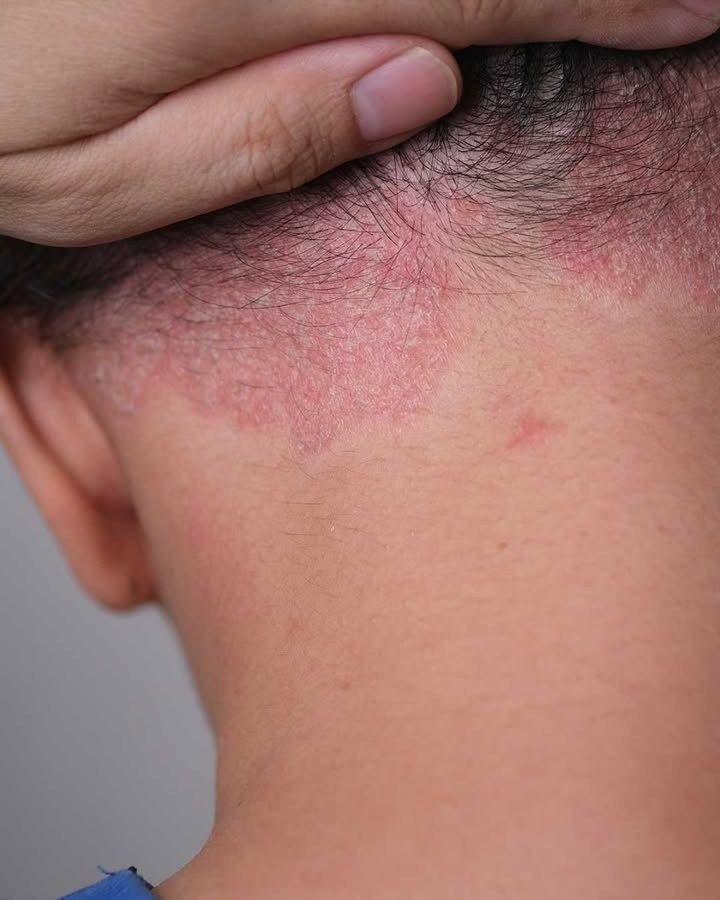
Discovering a red spot on a loved one’s skin, especially a child’s, can be alarming. When my grandson came to me with a visible red spot on his scalp, it naturally caused a wave of concern among the family. Questions arose about its nature, potential causes, and the best course of action. This article aims to address these concerns by exploring what this red spot might be, focusing on a common skin condition known as scalp psoriasis, and providing advice on how to manage it effectively.
Understanding scalp psoriasis
Scalp psoriasis is a chronic skin condition characterized by red, scaly patches on the scalp. It is a form of psoriasis, an autoimmune disease that causes rapid growth of skin cells, leading to the accumulation of scales and red patches. While it can be distressing, scalp psoriasis is a manageable condition with proper treatment and care. It is important to understand that scalp psoriasis is not contagious and its severity can range from mild to severe
Common signs and symptoms
The most common symptoms of scalp psoriasis include red patches of skin covered with thick, silvery-white scales. These patches can cause itching and a burning sensation. In some cases, scalp psoriasis can lead to temporary hair loss due to excessive scratching or the presence of thick scales. Other signs include a dry scalp, dandruff-like flaking, and bleeding when scratching.
Causes of scalp psoriasis
The exact cause of scalp psoriasis is not fully understood, but it is thought to be related to an overactive immune system that triggers inflammation and rapid skin cell turnover. Genetic factors also play a significant role, as psoriasis is often hereditary. Environmental factors such as stress, skin injuries, infections, and certain medications can also trigger or worsen the condition.
How scalp psoriasis differs from other skin conditions
Scalp psoriasis can be confused with other skin conditions such as dandruff or seborrheic dermatitis. However, there are key differences. Unlike dandruff, which is characterized by oily, yellowish flakes, scalp psoriasis is characterized by dry, silvery scales and red patches. Seborrheic dermatitis can also present with redness and scaling, but the scales are usually oily rather than dry. A dermatologist can provide an accurate diagnosis by examining the affected area.
When to consult a doctor
It is advisable to consult a doctor if the red spot on the scalp is persistent, causes significant discomfort, or is accompanied by other symptoms such as swelling or pus, which may indicate an infection. A healthcare professional can provide a proper diagnosis and recommend an appropriate treatment plan. Early intervention can help manage symptoms and prevent complications.
Effective treatments and remedies
Treatment for scalp psoriasis often involves topical treatments such as medicated shampoos, corticosteroids, and vitamin D analogs. In more severe cases, systemic treatments or phototherapy may be recommended. Over-the-counter products containing coal tar or salicylic acid may also help reduce scaling and itching. It is important to follow the treatment plan prescribed by a healthcare provider for best results.
Managing scalp psoriasis at home
Managing scalp psoriasis at home involves maintaining a regular hair care routine with gentle shampoos and conditioners. Avoiding harsh hair treatments and minimizing stress can also help manage symptoms. Regularly moisturizing the scalp and using a humidifier in dry environments can prevent excessive dryness and flaking. It’s also important to avoid scratching the affected area to prevent further irritation and potential infection.
Preventing flare-ups
Preventing scalp psoriasis flare-ups involves identifying and avoiding triggers such as stress, skin injuries, and certain medications. Maintaining a healthy lifestyle with a balanced diet, regular exercise, and adequate sleep can support overall immune function and reduce the risk of flare-ups. Regular check-ups with a healthcare provider can help monitor the condition and adjust treatment as needed.