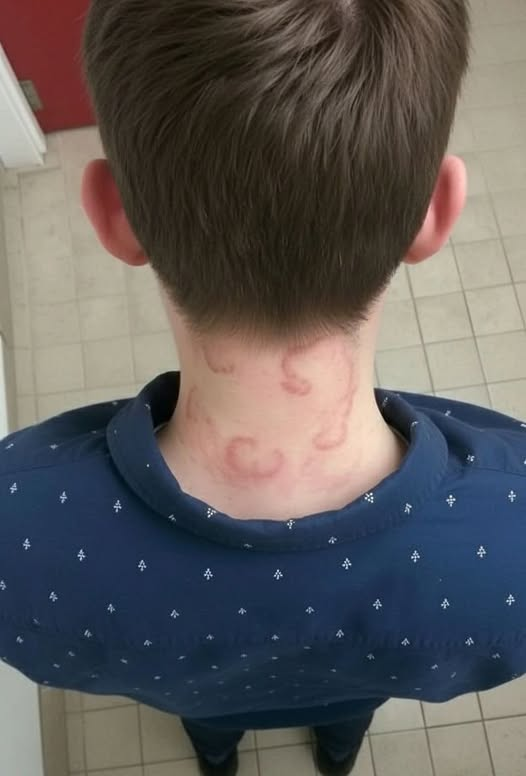
What began as a mild itch soon revealed itself as something far more serious. At first, the skin felt irritated, with burning sensations and red, swollen patches that appeared and disappeared unpredictably. Like many people, he assumed it was a simple allergy triggered by food, contact, or the environment. The symptoms seemed annoying but manageable—until they kept returning and spreading.
A medical diagnosis brought clarity and concern: urticaria, commonly known as hives. This condition is not merely a surface rash. It is driven by mast cells in the immune system releasing histamine into the bloodstream, causing fluid to leak from small blood vessels and form raised, itchy welts. While often harmless, the reaction can escalate.
As the condition progressed, swelling extended beneath the skin. Lips enlarged, eyelids puffed, and a tightening sensation developed in the throat. This deeper reaction, known as angioedema, can be dangerous when it affects the face or airway. What once felt uncomfortable now became frightening.
Doctors searched for possible triggers, including foods, medications, infections, temperature changes, pressure, or stress. In many cases, no single cause is identified. Short-term outbreaks are labeled acute urticaria, while symptoms lasting more than six weeks are considered chronic and can persist for months or years.
Treatment focused on controlling the immune response. Antihistamines became the foundation, sometimes at higher doses, with corticosteroids used during severe flares. Topical treatments offered relief, but education proved just as important as medication.
The experience reshaped his awareness of bodily signals. Swelling around the lips or throat, breathing difficulty, or rapid symptom escalation are never minor. Skin reactions may look harmless, but they can signal deeper danger. Recognizing those warnings early can turn fear into control—and, in some cases, quietly save a life.