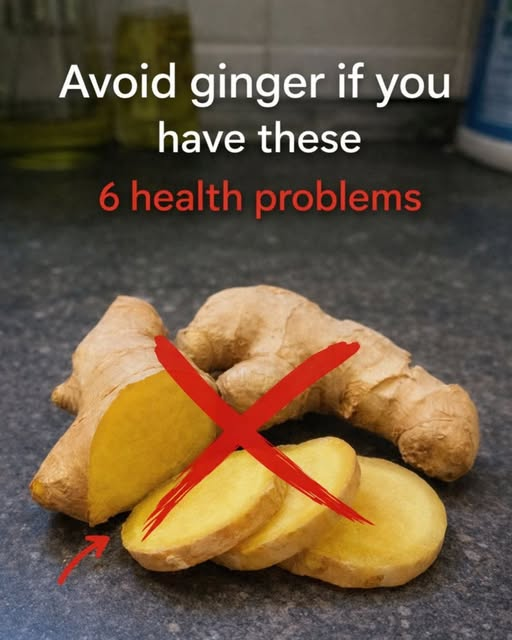
Ginger has become a go-to natural ingredient in many kitchens, praised for its warm flavor and comforting properties in teas and meals. Yet, for some people, enjoying too much ginger can lead to unexpected discomfort that disrupts daily life. Imagine dealing with heartburn, unexpected bleeding, or uneasy digestion right when you thought you were making a healthy choice—it’s frustrating and worrying. The good news is that understanding a few simple situations can help you enjoy ginger safely without these surprises. Keep reading, because toward the end, I’ll share a little-known tip that lets most people keep ginger in their routine with zero worries.
Why Ginger Deserves Your Attention
Ginger is packed with active compounds like gingerol that give it its signature spice. Research published in journals like Food Science & Nutrition shows these compounds can influence digestion, inflammation responses, and even blood flow.
But here’s the thing: those same effects can sometimes work against you depending on your current health or medications. That’s why being aware matters more than avoiding ginger completely.
6 Situations Where You May Want to Limit Ginger
Let’s break down the six common scenarios where ginger might not be the best friend right now. I’ll keep it straightforward so you can check against your own life.
1. Taking Blood-Thinning Medications
Ginger can naturally make blood platelets less sticky. Studies, including one from the Journal of Ethnopharmacology, note this effect is similar to aspirin.
If you’re on warfarin, clopidogrel, or daily low-dose aspirin, even moderate amounts of fresh ginger could increase bruising or bleeding risk.
But that doesn’t mean forever—just chat with your doctor about safe amounts.
2. Upcoming Surgery
Hospitals often ask patients to stop ginger supplements two weeks before procedures. The reason? It may prolong bleeding time slightly.
This applies to fresh ginger in large quantities too, like daily ginger shots. Better safe than sorry when healing is the priority.
3. Frequent Heartburn or Acid Reflux
That warm sensation from ginger can sometimes relax the lower esophageal sphincter, letting stomach acid creep up.
Many people notice this after ginger tea on an empty stomach. The discomfort can linger for hours, making meals less enjoyable.
4. Low Blood Pressure Concerns
Ginger has a mild blood-pressure-lowering effect, according to research in Phytotherapy Research.
If your pressure already runs low or you feel dizzy when standing up quickly, extra ginger might worsen lightheadedness.
This is especially noticeable in hot weather or after workouts.
5. Gallbladder Issues
For anyone with gallstones, ginger may stimulate bile flow. While this sounds helpful, it can trigger painful gallbladder contractions in some cases.
Doctors often suggest caution until the condition is managed.
6. Pregnancy (Especially Late Stages)
Morning sickness relief is one of ginger’s most loved uses, and small amounts are generally considered safe in early pregnancy.
However, higher doses near delivery might affect blood clotting for mom or baby. Most obstetricians recommend sticking to food amounts rather than supplements.
Here’s a quick reference table to make it even easier:
| Situation | Why Be Cautious | Simple Adjustment |
|---|---|---|
| Blood thinners | May increase bleeding risk | Ask doctor first |
| Before surgery | Could affect clotting | Pause 2 weeks prior |
| Heartburn | May relax stomach valve | Have with meals, not empty stomach |
| Low blood pressure | Might cause dizziness | Monitor how you feel |
| Gallstones | Can trigger contractions | Limit until cleared by doctor |
| Late pregnancy | Potential clotting effect | Stick to culinary amounts |
Safe Ways to Enjoy Ginger Every Day
The good news? Most people can keep ginger in their diet with a few easy tweaks. Here are actionable steps you can start today:
- Start small: Use ½-inch fresh ginger in tea instead of 2 inches.
- Pair it with food: Add grated ginger to stir-fries or smoothies rather than drinking straight ginger shots.
- Choose milder forms: Ground ginger powder has less intensity than fresh root.
- Track your body: Keep a simple note for a week—if you feel great, slowly increase.
- Talk to your pharmacist: They can quickly check if your current meds interact with ginger.
These tiny changes take less than a minute but make a huge difference in comfort.
Signs It Might Be Too Much Ginger
Your body usually gives clear hints. Watch for:
- Unusual bruising or nosebleeds
- Persistent heartburn after meals
- Feeling unusually lightheaded
- Stomach cramps that weren’t there before
If any of these pop up, simply cut back for a few days and see how you feel. It’s that straightforward.
The Little-Known Tip I Promised
Here it is: cooking ginger actually reduces its blood-thinning compounds significantly compared to raw. A quick sauté or boil makes it gentler while keeping the flavor you love. That’s why ginger in curries or soups rarely causes issues—even for people on the caution list. Try it this week and notice the difference!
Wrapping It Up
Ginger remains a wonderful addition to a balanced diet for most of us. By staying mindful in these six situations, you can avoid unnecessary discomfort and keep enjoying its warmth. Small, informed choices lead to feeling your best every day.
Frequently Asked Questions
Is it safe to drink ginger tea every day?
Yes, for most healthy adults, 1–2 cups of mild ginger tea daily is perfectly fine and enjoyable.
How much fresh ginger is considered too much?
More than 4 grams (about 2 inches) per day regularly may be excessive for sensitive individuals. Start lower and listen to your body.
Can children have ginger?
In food amounts—like in cookies or mild tea—yes. Avoid concentrated forms for kids under 2, and check with a pediatrician.
Disclaimer: This article is for informational purposes only and is not a substitute for professional medical advice. Always consult your healthcare provider about dietary changes, especially if you have health conditions or take medications.