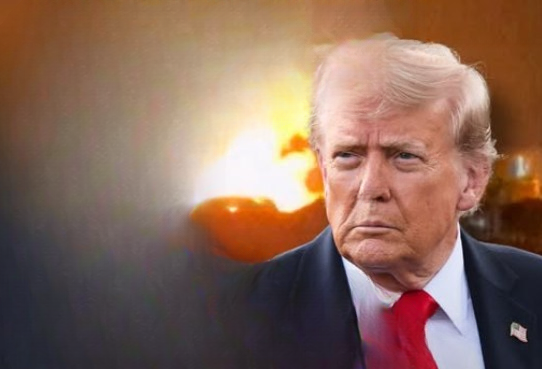
In early January 2026, a wave of reports captured global attention by alleging a significant escalation in the long-running political crisis involving Venezuela and the United States. According to multiple accounts circulating across international media, U.S. authorities carried out a highly coordinated overseas operation that resulted in the detention of Venezuelan President Nicolás Maduro and his spouse, Cilia Flores, and their transfer to the United States. The reports described the action as the culmination of months of heightened regional pressure and legal proceedings related to allegations of organized criminal activity.
Because the situation has been presented through evolving reports and official statements, it has generated intense discussion, debate, and uncertainty. Supporters of U.S. policy have framed the alleged operation as a long-awaited legal reckoning, while critics have warned of far-reaching consequences for international norms, sovereignty, and regional stability. Within Venezuela, reactions have reportedly ranged from cautious optimism to deep concern over the country’s immediate future.
This article provides a comprehensive, neutral, and informational overview of the reported developments, the historical background that shaped them, and the potential political, legal, and diplomatic implications. It focuses on context and analysis rather than speculation, aiming to present a clear picture of why these reports matter and how they fit into broader global dynamics.
Background: Venezuela’s Prolonged Political Crisis
Economic and Institutional Strain
Venezuela’s political challenges did not emerge overnight. For more than a decade, the country has faced severe economic contraction, institutional stress, and social pressures. Declining oil revenues, currency instability, and shortages of essential goods contributed to widespread hardship, prompting millions of Venezuelans to leave the country in search of stability elsewhere.
These economic conditions placed extraordinary strain on public institutions, intensifying political divisions and eroding trust in governance structures. Competing narratives about responsibility and solutions became entrenched, both domestically and internationally.
Nicolás Maduro’s Presidency
Nicolás Maduro assumed the presidency following the death of Hugo Chávez in 2013. His tenure has been marked by contested elections, international criticism, and ongoing disputes over legitimacy. While Maduro retained the backing of key domestic institutions and allies, many governments questioned the fairness of electoral processes and imposed sanctions aimed at pressuring political change.
Over time, Venezuela became a focal point for broader geopolitical competition, with different global actors aligning themselves according to strategic interests, ideological affinities, and economic considerations.
U.S.–Venezuela Relations: A History of Tension
Diplomatic Breakdown
Relations between Washington and Caracas deteriorated steadily during the 2010s. Diplomatic ties were reduced, and formal communication channels became limited. The United States imposed a series of sanctions targeting Venezuelan officials, state entities, and financial systems, arguing that these measures were necessary to promote accountability and democratic reforms.
Venezuela’s government, in turn, rejected these actions as unlawful interference and blamed external pressure for worsening economic conditions.
Legal Actions and Allegations
U.S. authorities pursued legal cases against several Venezuelan figures, alleging involvement in transnational criminal networks. These cases were filed in U.S. courts and framed as law enforcement actions rather than political measures. Officials emphasized that the charges related to criminal conduct with international reach, placing them within the jurisdiction of U.S. law.
Such legal actions added a judicial dimension to an already complex political relationship, blurring the lines between diplomacy, law enforcement, and national security.
Reports of a January 2026 Operation
What Has Been Reported
According to reports dated January 3, 2026, U.S. forces carried out an overnight operation that led to the detention of President Maduro and Cilia Flores. The accounts described the mission as highly discreet and conducted under conditions of strict confidentiality. Following their detention, the pair were reportedly transported to the United States to face legal proceedings.
U.S. officials characterized the action as the execution of existing legal processes tied to charges filed in federal court. Statements attributed to senior officials suggested that the operation followed extensive preparation and coordination.
Official Statements and Language
Public remarks from U.S. authorities emphasized the legal basis of the action. The operation was described as part of an effort to address what officials referred to as serious criminal allegations. The language used underscored themes of accountability and the rule of law, while avoiding operational details.
At the same time, officials acknowledged the sensitivity of the situation and the potential for international reaction.
Legal Proceedings and Judicial Context
Charges and Jurisdiction
Reports indicated that charges against Maduro and Flores were filed in the Southern District of New York, a jurisdiction that has handled numerous international cases involving alleged financial and organized criminal activities. While specific details of the indictments were not fully outlined in initial reports, officials suggested that the charges carried severe potential penalties.
From a legal standpoint, the case raises complex questions about jurisdiction, immunity, and the application of domestic law to foreign leaders. These issues are typically addressed through lengthy judicial processes rather than immediate resolutions.
Due Process Considerations
U.S. authorities stressed that any proceedings would follow established legal standards, including the right to representation and judicial review. Supporters of the action highlighted these assurances as evidence that the matter would be handled within a formal legal framework rather than through arbitrary measures.
Critics, however, expressed concern about the broader implications of prosecuting a sitting or former head of state under foreign jurisdiction.
International Reactions and Diplomatic Responses
Global Responses
Reactions from the international community were swift and varied. Some governments reportedly expressed approval, framing the development as a step toward accountability for alleged misconduct. Others voiced strong objections, emphasizing principles of national sovereignty and non-intervention.
Multilateral organizations called for restraint, dialogue, and adherence to international law. Statements from these bodies often avoided taking sides, focusing instead on the need for stability and respect for established norms.
Regional Impact in Latin America
Within Latin America, the reported events were met with particular intensity. Venezuela’s neighbors have long been affected by the country’s economic challenges and migration flows. Some leaders viewed the reports as a possible turning point, while others warned that abrupt changes could deepen regional instability.
The diversity of responses reflected the region’s varied political orientations and historical experiences with external intervention.
Domestic Reactions Inside Venezuela
Public Sentiment
Inside Venezuela, reports suggested a complex mix of emotions. Some citizens reportedly felt cautious relief, hoping that the situation might open the door to political and economic reforms. Others expressed anxiety about uncertainty, fearing that sudden changes could disrupt daily life or lead to further instability.
Car door parts
Years of hardship have left many Venezuelans wary of dramatic shifts, regardless of their origin.
Institutional Continuity
Questions quickly arose about governance and continuity. With the reported removal of the sitting president, attention turned to constitutional mechanisms, interim leadership, and the role of domestic institutions. Analysts noted that how these processes unfold would be critical to maintaining order and public confidence.
The Question of Precedent
Sovereignty and International Norms
One of the most widely discussed aspects of the reports is the precedent they may set. Critics argue that the detention of a foreign leader by another state, even under legal justification, could weaken long-standing norms around sovereignty. They warn that such actions, if normalized, might be used selectively or inconsistently in the future.
Supporters counter that international crime requires international accountability and that legal processes must adapt to address complex transnational challenges.
Balancing Accountability and Stability
The tension between accountability and stability lies at the heart of the debate. Ensuring that serious allegations are addressed is widely viewed as important, but so is preventing actions that could destabilize regions or undermine international cooperation.
This balance has long been a challenge in global governance, and the reported events have brought it into sharp focus.
Media Coverage and Information Gaps
The Role of Media Reporting
Media outlets played a central role in shaping public understanding of the situation. Early reports relied heavily on official statements and unnamed sources, reflecting the limited availability of independent verification. As coverage expanded, analysis pieces explored possible scenarios and implications.
Responsible reporting emphasized uncertainty and avoided definitive conclusions, while less cautious narratives sometimes amplified speculation.
The Importance of Verification
In rapidly developing situations, verification becomes especially important. Analysts and observers have urged audiences to distinguish between confirmed information and unverified claims, recognizing that initial reports may evolve as more details emerge.
Economic and Energy Market Considerations
Oil Markets and Global Supply
Venezuela holds some of the world’s largest proven oil reserves, and developments affecting its leadership can influence global energy markets. Reports of major political change prompted close monitoring by industry analysts, though immediate market impacts appeared muted amid broader global factors.
Longer-term implications depend on how governance and policy evolve in the wake of the reported events.
Sanctions and Economic Policy
The future of international sanctions was another area of focus. Some observers suggested that legal proceedings and potential political transitions could open the door to policy reassessment. Others cautioned that changes would likely be gradual and contingent on concrete developments.
Car door parts
Historical Comparisons and Lessons
Past International Interventions
History offers numerous examples of external involvement in domestic political crises, each with distinct outcomes. Analysts have drawn comparisons to past cases to explore possible trajectories, while also noting that no two situations are identical.
These comparisons highlight the importance of context, institutions, and public support in shaping outcomes.
Learning From Experience
One recurring lesson from history is that sustainable change often depends on inclusive processes and domestic ownership. External actions, even when legally framed, can have unintended consequences if they do not align with local realities.
Possible Paths Forward
Legal Resolution
One potential path centers on the judicial process itself. Court proceedings could clarify the legal basis of the allegations and establish a record that informs future actions. Such a process would likely take considerable time and attract sustained international attention.
Political Transition
Another possibility involves political transition within Venezuela. Whether through constitutional mechanisms, negotiations, or elections, the manner in which leadership questions are addressed will shape the country’s direction.
Diplomatic Engagement
Diplomacy remains a key tool for managing the broader implications. Dialogue among affected parties could help reduce tensions, clarify intentions, and support stability during a period of uncertainty.
Broader Implications for International Relations
Law Enforcement Across Borders
The reported events raise fundamental questions about how states address alleged criminal activity that spans borders. As globalization continues, legal systems face pressure to adapt while respecting international norms.
Trust and Cooperation
Trust between nations is essential for cooperation on global challenges. Actions perceived as unilateral or coercive can strain relationships, while transparent and multilateral approaches may help maintain confidence.
Conclusion: A Moment of Uncertainty and Significance
The reports emerging in early January 2026 describe a development with profound implications for Venezuela, the United States, and the international community. Allegations of a U.S.-led operation resulting in the detention of Venezuela’s president have intensified debates about accountability, sovereignty, and the appropriate boundaries of international action.
At this stage, the situation remains characterized by uncertainty. Official statements emphasize legal processes, while critics and supporters alike grapple with the potential consequences. For Venezuela’s citizens, the priority remains stability, economic recovery, and the opportunity for a more secure future.
As events continue to unfold, careful attention to verified information, respect for legal principles, and a commitment to constructive engagement will be essential. The outcome of this moment will not only shape Venezuela’s trajectory but also influence broader discussions about how the international community responds to complex political and legal challenges in an interconnected world.