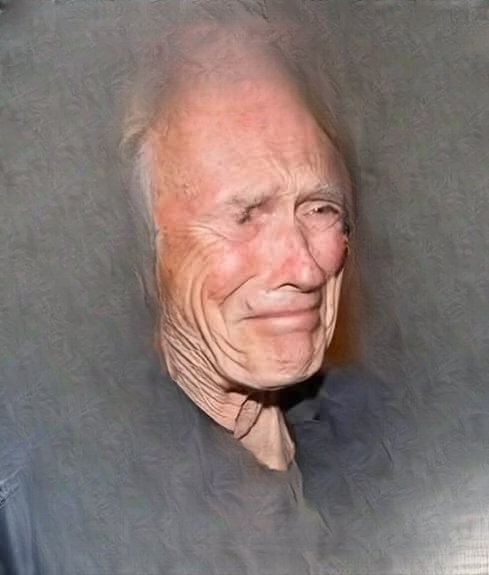
Clint Eastwood, born Clinton Eastwood Jr. on May 31, 1930, remains one of the most influential figures in American cinema, celebrated for both his performances in front of the camera and his visionary work behind it. Over a career spanning more than six decades, Eastwood became an emblem of enduring talent, resilience, and creative innovation, leaving a mark on global popular culture that few actors or directors have matched.
Early Life and Rise to Fame
Clint Eastwood was born in San Francisco, California, and grew up in modest circumstances. From an early age, he demonstrated a drive to pursue his ambitions, ultimately gravitating toward acting after exploring various careers and interests. His first major breakthrough came with the television Western series Rawhide, which aired from 1959 to 1965. In this series, Eastwood portrayed Rowdy Yates, a role that showcased his rugged charisma and ability to convey complex emotions through subtle gestures and expressions.
Rawhide established Eastwood as a recognizable face in American households, but it was his work in European cinema that would propel him to international fame.
The Spaghetti Westerns: Defining a Cultural Icon
Eastwood’s collaboration with Italian director Sergio Leone in the mid-1960s produced the legendary Dollars Trilogy, a series of “spaghetti Westerns” that redefined the genre. As the enigmatic “Man with No Name,” Eastwood captivated audiences with a blend of stoic toughness and understated wit. The trilogy—comprising A Fistful of Dollars (1964), For a Few Dollars More (1965), and The Good, the Bad and the Ugly (1966)—not only cemented his reputation as a leading man but also established him as a symbol of a new, more morally complex type of hero.
These films stood out for their stylistic innovation, dramatic musical scores, and narrative intensity, and Eastwood’s portrayal of the lone, principled antihero became an enduring archetype in global cinema.
Dirty Harry: The Antihero Cop
Building on his Western fame, Eastwood entered the 1970s as one of Hollywood’s defining stars through the role of Inspector Harry Callahan in the Dirty Harry series. Debuting in 1971, the original Dirty Harry film introduced audiences to a character who was tough, unyielding, and willing to confront injustice with unconventional methods. Eastwood reprised the role in four sequels throughout the decade and into the 1980s, each time reinforcing his reputation for portraying characters that were both morally ambiguous and intensely compelling.
The Dirty Harry films left a significant cultural imprint, influencing countless crime dramas and shaping public perceptions of cinematic heroism. Callahan’s no-nonsense approach and sharp dialogue became part of Eastwood’s lasting legacy as an actor capable of balancing strength, intellect, and subtle vulnerability.
Expanding Horizons: Directing and Producing
Eastwood’s influence extended far beyond acting. Transitioning seamlessly into directing and producing, he demonstrated a rare ability to succeed in multiple facets of filmmaking. His directorial work is characterized by meticulous attention to detail, a focus on human emotion, and stories that explore complex moral and social themes.
Some of Eastwood’s most acclaimed films as a director include:
- Unforgiven (1992): A revisionist Western that earned multiple Academy Awards, including Best Picture and Best Director, highlighting themes of redemption, justice, and moral ambiguity.
- Million Dollar Baby (2004): A critically lauded drama about determination, sacrifice, and the human spirit, earning Eastwood another Academy Award for Best Director.
- Gran Torino (2008): A poignant exploration of cultural differences, redemption, and aging, blending Eastwood’s iconic screen presence with his directorial sensibilities.
Through these works, Eastwood reinforced his status as a multifaceted artist capable of combining popular appeal with profound artistic insight.
Civic Engagement: Mayor of Carmel-by-the-Sea
Beyond the silver screen, Eastwood also engaged in public service. In 1986, he was elected mayor of Carmel-by-the-Sea, California, serving a two-year term. His tenure was marked by efforts to streamline municipal government and maintain the town’s unique charm and character. This period of civic involvement showcased another dimension of Eastwood’s leadership—his ability to connect with communities and address practical concerns with the same clarity and decisiveness he brought to his film roles.
A Cultural Icon of Masculinity
Clint Eastwood’s influence extends beyond the entertainment industry. His portrayals of stoic, principled, and resilient characters contributed to a broader cultural understanding of masculinity in American cinema. He became an archetype for characters who combined toughness with moral complexity, self-reliance with emotional depth, and action with introspection.
This duality—an external display of strength paired with internal vulnerability—helped redefine how male protagonists could be presented on screen. It also paved the way for future generations of actors to explore similarly layered roles, blending heroism with realism.
Awards and Recognition
Over the course of his career, Eastwood has received numerous awards and honors for his contributions to cinema. His accolades include multiple Academy Awards, Golden Globes, and recognition from international film festivals. These honors not only celebrate his individual talent but also acknowledge the broader impact of his work on film as an art form and cultural institution.
- Academy Awards: Best Director and Best Picture for Unforgiven and Million Dollar Baby.
- Golden Globes: Recognition for directing, acting, and lifetime achievement.
- American Film Institute (AFI): Lifetime Achievement Award for a career that has shaped American cinema.
Such recognition underscores Eastwood’s lasting influence as a storyteller, performer, and cultural figure.
Personal Life and Public Persona
Clint Eastwood has long been admired for his professionalism, humility, and dedication to his craft. Despite his fame, he has maintained a relatively private personal life, allowing his work and public contributions to define much of his public persona. His ability to navigate the complexities of fame while remaining focused on artistic expression has served as an example for both peers and aspiring filmmakers.
Throughout his life, Eastwood has balanced a career in the spotlight with personal interests and responsibilities, including philanthropy, mentorship, and civic engagement. This balance reflects a holistic approach to public life, emphasizing contribution, consistency, and respect for craft.
Influence on Modern Cinema
Clint Eastwood’s impact on cinema is multifaceted. He has influenced acting styles, narrative techniques, and directorial approaches across multiple genres. His Westerns reinvigorated a classic genre, his crime dramas introduced nuanced antiheroes, and his directorial projects combined storytelling with deep social and emotional exploration.
Modern filmmakers often cite Eastwood’s work as a source of inspiration, noting his ability to convey emotion subtly, maintain narrative tension, and develop characters with depth and authenticity. His films continue to be studied in film schools, celebrated at festivals, and referenced in both popular and critical discourse.
Legacy and Final Reflections
Clint Eastwood’s career represents more than a collection of roles and films—it embodies a philosophy of perseverance, artistic curiosity, and commitment to excellence. His work has transcended entertainment, influencing cultural norms, inspiring new generations of filmmakers, and shaping perceptions of heroism, morality, and human complexity.
As the world reflects on his life and contributions, Eastwood’s legacy is clear: he redefined the possibilities of cinematic storytelling while remaining true to his distinctive voice and vision. His influence will endure, reminding audiences and artists alike of the power of dedication, authenticity, and creative courage.
Continuing the Legacy: Eastwood’s Influence Beyond Film
Clint Eastwood’s impact extends far beyond the movies he starred in or directed. He became a cultural touchstone whose work influenced societal ideas about morality, courage, and personal responsibility. His portrayals often reflected individuals navigating complex ethical landscapes, challenging audiences to consider the nuances of justice and human behavior. Through his characters, Eastwood invited viewers to reflect on what it means to act with integrity under difficult circumstances—a theme that resonates across generations.
Eastwood’s influence is particularly evident in the way modern filmmakers approach storytelling. Directors often cite his minimalist style, attention to pacing, and focus on character-driven narratives as a blueprint for creating compelling cinema. By prioritizing authentic emotion over flashy techniques, Eastwood demonstrated that simplicity and clarity can be more powerful than spectacle alone. This approach has inspired countless filmmakers worldwide, encouraging them to tell stories that prioritize depth, realism, and subtlety.
Beyond technical influence, Eastwood’s films often explore social and historical themes, offering audiences insight into cultural and moral issues. Movies like Letters from Iwo Jima (2006) and Changeling (2008) tackle topics such as war, injustice, and personal struggle, blending historical context with intimate human stories. These works illustrate Eastwood’s ability to balance entertainment with meaningful reflection, creating films that both educate and engage viewers.
Eastwood’s commitment to mentorship has also shaped the next generation of actors and directors. He has consistently worked with emerging talent, offering guidance both on set and through collaborative projects. This dedication to nurturing creativity ensures that his influence will continue to reverberate long after his own career concludes. Many contemporary actors and filmmakers credit Eastwood’s professionalism, discipline, and ethical approach to the craft as formative influences on their own work.
Moreover, Eastwood’s engagement with public life, including his tenure as mayor of Carmel-by-the-Sea, demonstrated the potential for artists to contribute meaningfully to their communities. His example shows that creativity and civic responsibility can coexist, inspiring others to consider the broader impact of their actions beyond professional achievements.
In reflecting on Clint Eastwood’s life and legacy, it becomes clear that he was more than an actor or director; he was a storyteller, a mentor, and a cultural icon. His work has shaped the landscape of modern cinema, influenced societal perceptions of heroism and morality, and set a standard for artistic dedication. While the world mourns his passing, it also celebrates a life that transformed entertainment and culture, leaving a legacy that will continue to inspire for generations to come.
Clint Eastwood’s enduring presence in film and society reminds us that true artistry is measured not only by fame or accolades but by the lasting impact one leaves on audiences, peers, and the cultural imagination. His story is one of passion, perseverance, and timeless influence—a testament to the power of cinema to reflect, challenge, and elevate the human experience.