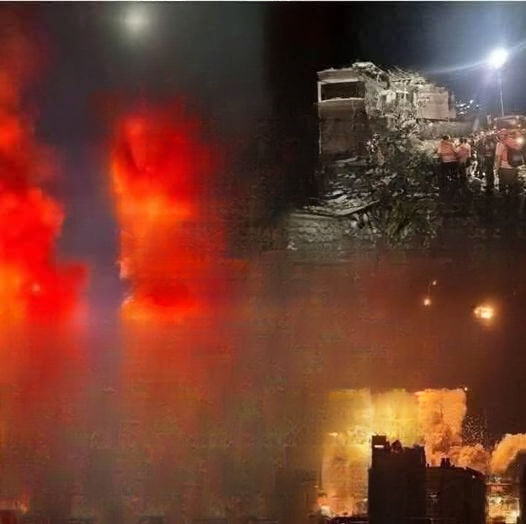
On Saturday afternoon, a significant fire swept through the Pamplona Alta area of San Juan de Miraflores, a district located in the southern part of Lima, Peru. The blaze spread quickly through a tightly packed residential zone, affecting a large number of homes and displacing hundreds of residents. Emergency services responded swiftly, working for hours to bring the fire under control and prevent it from spreading further into neighboring areas.
While no official final damage assessment was immediately available, early estimates from local authorities and emergency responders suggested that a substantial number of homes were damaged or destroyed. For many families, the fire represented not only the loss of property, but also the sudden disruption of daily life and security.
This article provides a detailed overview of the incident, the factors that contributed to its spread, the emergency response, and the broader challenges faced by communities living in densely constructed urban areas.
The Location: Pamplona Alta and San Juan de Miraflores
San Juan de Miraflores is one of Lima’s most populous districts, characterized by a mix of formal neighborhoods and informal settlements. Pamplona Alta, situated in a hilly area of the district, has grown rapidly over the years as families sought affordable housing near the city.
Many structures in the area are built incrementally, often using lightweight or recycled materials. While this approach allows families to establish shelter with limited resources, it also increases vulnerability to hazards such as fire, especially when homes are constructed close together.
The geographic layout of Pamplona Alta—with narrow passageways and limited access roads—can further complicate emergency response efforts.
Timeline of the Fire
According to local reports, the fire began in the early afternoon. Residents noticed smoke rising from one section of the neighborhood, and within a short period, flames spread across multiple structures.
Firefighters were dispatched promptly, but the speed at which the fire expanded presented immediate challenges. Strong winds, combined with the flammable nature of many construction materials, allowed the blaze to move rapidly from one dwelling to another.
By evening, emergency crews reported that the fire had been contained, meaning it was no longer actively spreading. However, containment did not mean the end of the emergency. Firefighters continued working to extinguish remaining hot spots and ensure that the fire did not reignite.
Emergency Response and Coordination
Firefighters from multiple stations were mobilized to respond to the incident. Their efforts focused on several priorities:
- Preventing the fire from reaching additional homes
- Protecting nearby infrastructure
- Ensuring the safety of residents and responders
- Providing initial support to displaced families
Police and municipal authorities assisted by securing the area, managing traffic, and coordinating evacuations where necessary. Health services were also on standby to provide medical attention, though no widespread injuries were reported in the immediate aftermath.
Telehealth Platform
The coordinated response played a critical role in limiting the scope of the disaster, even as crews faced difficult conditions on the ground.
Preliminary Damage Estimates
In the hours following the fire, officials cautioned that damage assessments were still ongoing. Initial figures varied, with some sources estimating that several dozen homes were affected, while others suggested the number could exceed one hundred.
As assessments continued, authorities emphasized the importance of accuracy and transparency. Determining the full extent of damage requires careful inspection of structures, many of which may appear intact externally but have suffered internal damage.
Regardless of the final count, it was clear that hundreds of residents were left without safe housing and would require immediate assistance.
Displacement and Humanitarian Needs
For families affected by the fire, the most pressing concern was shelter. Many residents lost not only their homes but also essential belongings, including clothing, documents, and household items.
Local authorities and community organizations began organizing temporary shelter solutions, such as:
- Community centers
- Schools
- Emergency tents
In addition to shelter, displaced residents required food, water, clothing, and access to basic services. Social services teams worked to identify vulnerable individuals, including children, elderly residents, and those with medical needs.
Groceries
The incident underscored the importance of rapid humanitarian response in urban emergencies.
Construction Materials and Fire Risk
Fire officials noted that the rapid spread of the blaze was closely linked to the types of materials used in many homes. Commonly used materials in informal construction include:
- Wood
- Plastic sheeting
- Cardboard
- Lightweight metal panels
While affordable and accessible, these materials are highly combustible. When combined with close spacing between structures, they create conditions in which fires can escalate quickly.
Fire safety experts have long warned that such environments are particularly vulnerable, especially when electrical systems are improvised or overloaded.
Investigation Into the Fire’s Origin
Authorities indicated that early evidence pointed to a specific location as a possible origin of the fire. Reports suggested that the blaze may have reached a site believed to be an unauthorized fireworks or pyrotechnics workshop.
According to officials, the presence of flammable materials at that location could have intensified the fire and contributed to small explosions reported by witnesses. Videos shared by residents appeared to show brief flashes and loud sounds consistent with combustible materials igniting.
Investigators emphasized that this information was preliminary and that a formal investigation would determine the exact cause. Until then, authorities urged caution against speculation.
Cause Identification Service
The Challenge of Informal Economic
In many urban areas, informal economic activities operate alongside residential spaces. These activities often provide essential income for families but may carry risks when safety regulations are not followed or enforced.
Workshops involving flammable materials, chemicals, or heat sources can significantly increase fire risk, particularly in densely populated neighborhoods. Addressing this challenge requires balancing economic realities with safety considerations.
Municipal leaders acknowledged the need for long-term solutions that include:
- Community education on fire prevention
- Safer zoning practices
- Support for transitioning informal businesses into regulated environments
Community Response and Solidarity
In the wake of the fire, residents demonstrated strong community solidarity. Neighbors helped one another evacuate, retrieve belongings, and provide immediate assistance. Local volunteers began organizing donation drives for food, clothing, and basic supplies.
Groceries
Such grassroots efforts often play a crucial role in the early stages of recovery, complementing official aid and reaching those who may be overlooked.
Community leaders emphasized the importance of maintaining this spirit of cooperation as recovery efforts continue.
Government and Institutional Support
Municipal and regional authorities stated that they were working to coordinate longer-term assistance for affected families. This includes:
- Damage assessments
- Temporary housing support
- Social assistance programs
- Planning for reconstruction where feasible
Officials also indicated that the incident would prompt renewed discussions about fire safety, housing conditions, and risk mitigation in vulnerable areas.
Broader Context: Urban Growth and Risk Management
The fire in San Juan de Miraflores reflects broader challenges faced by rapidly growing cities. As urban populations expand, housing demand often outpaces formal development, leading to the growth of informal settlements.
These areas frequently lack:
- Adequate infrastructure
- Fire-resistant construction
- Clear access routes for emergency vehicles
Urban planners and policymakers face the complex task of improving safety while respecting the needs and realities of residents.
The Importance of Prevention and Preparedness
Experts agree that prevention is key to reducing the impact of urban fires. Strategies include:
- Fire safety education campaigns
- Improved electrical standards
- Community-based emergency planning
- Early warning systems
While emergency response is critical, reducing risk before disasters occur can save lives and livelihoods.
Media Coverage and Responsible Reporting
Coverage of disasters plays an important role in informing the public and mobilizing assistance. However, responsible reporting avoids exaggeration, respects the dignity of affected individuals, and clearly distinguishes confirmed information from estimates.
In this case, authorities and media outlets worked to provide updates while acknowledging uncertainty in early figures—a practice that supports public trust.
Looking Ahead: Recovery and Resilience
As firefighters conclude their work and investigations continue, attention turns to recovery. For affected families, rebuilding will take time, resources, and support.
The incident also serves as a reminder of the need for long-term investment in safer housing, infrastructure, and community preparedness. While no single solution can eliminate risk, incremental improvements can significantly reduce vulnerability.
Conclusion: Lessons From the Fire in Pamplona Alta
The fire in Pamplona Alta, San Juan de Miraflores, was a stark reminder of how quickly emergencies can unfold in densely built urban communities. While emergency responders succeeded in containing the blaze, the damage and displacement underscore ongoing challenges related to housing safety and urban planning.
As authorities assess losses and coordinate aid, the focus remains on supporting affected residents and preventing similar incidents in the future. Through collaboration between communities, governments, and organizations, recovery efforts can also become an opportunity to build greater resilience.