Paroled Gang Member Shot by Police After Fleeing in Carjacked Vehicle in Riverside
RIVERSIDE, Calif. — A parolee with a lengthy violent criminal history was shot by police and taken into custody Tuesday morning after allegedly fleeing officers in a stolen vehicle and exiting with a loaded handgun during an attempted stop in Riverside, authorities confirmed.
The incident occurred on Tuesday, June 18, 2024, at approximately 10:26 a.m., when Riverside Police Department officers assigned to the Problem Oriented Policing (POP) Team were conducting an area check in the6600 block of Palm Avenue. Officers were actively searching for a vehicle that had been taken in a carjacking earlier the same day, according to police.
Stolen Vehicle Located During Targeted Patrol
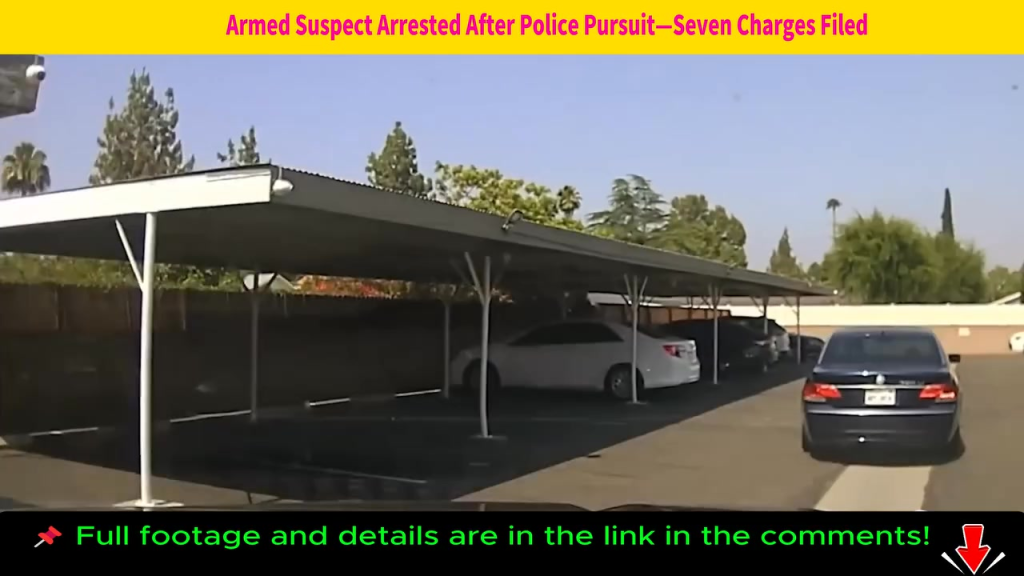
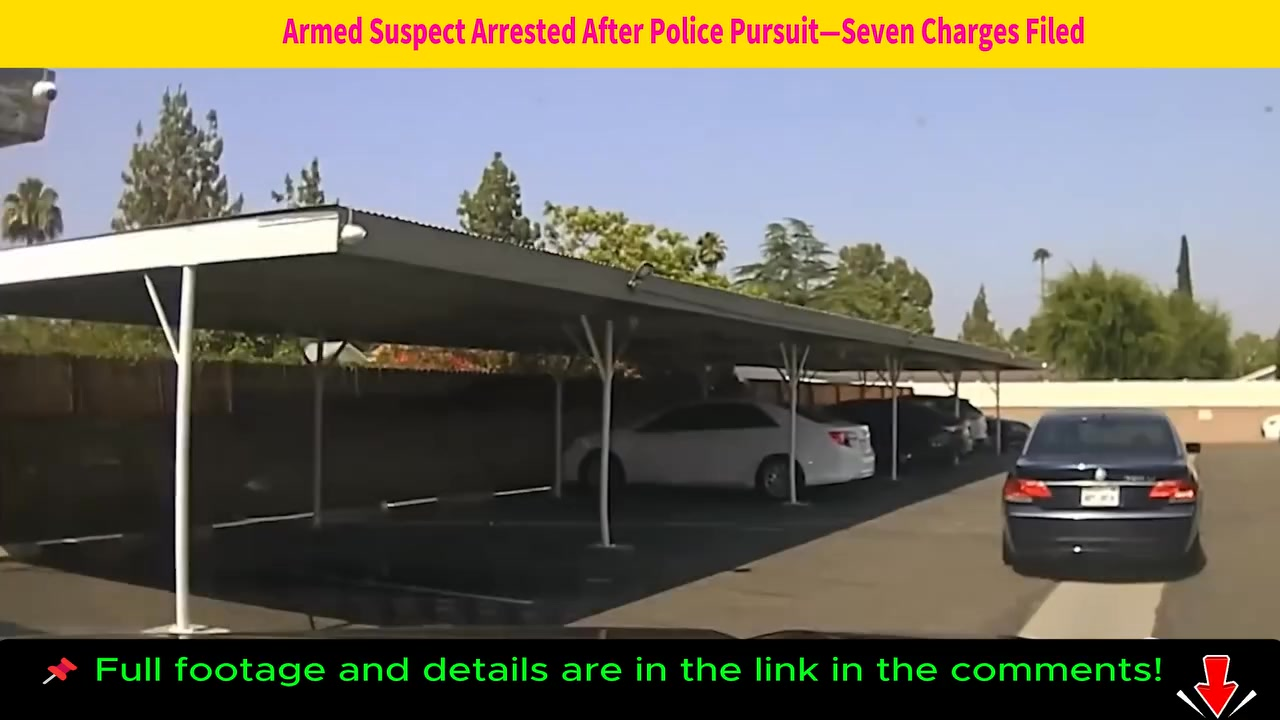
POP officers located the suspected carjacked vehicle in the area, occupied by a male driver and a male passenger. As officers attempted to initiate an enforcement stop, the driverfailed to yield, instead turning into a nearby apartment complex and driving toward the rear of the property.
Police said the situation escalated rapidly moments later.
According to investigators, the driver abruptly exited the stolen vehiclewhile holding a handgun. In response to what officers perceived as an immediate and deadly threat, one POP officer discharged his duty weapon four times, striking the suspectonce in the back.
Suspect Taken to Hospital Under Arrest
Officers immediately rendered aid and requested medical assistance. The wounded suspect was transported to a local hospital, where he remainsunder arrest and in custody while receiving medical treatment. Police said he is awaiting transfer to a secure detention ward at another medical facility once medically cleared.
The driver was later identified as42-year-old Eddie Madrigal of Moreno Valley.
Authorities confirmed that Madrigal is a documented gang member who was on active parole at the time of the incident. His parole stemmed from a prior conviction forrobbery with the use of a firearm.
Loaded Firearm Recovered at Scene
Investigators said the handgun Madrigal was holding when confronted by officers was a .22 caliber firearm, loaded with10 rounds of ammunition. Police emphasized that Madrigal was legally prohibited from possessing any firearm due to his felony convictions and parole status.
The passenger inside the stolen vehicleremained inside the car during the confrontation and was detained by officers without incident. Police later identified the passenger as another documented gang member. However, after further investigation, authorities determined the passenger wasnot present during the original carjacking and did not appear to be directly involved. He was subsequently released.
Extensive Criminal History Detailed by Police
Police provided a detailed account of Madrigal’s criminal history, highlighting repeated interactions with the justice system in recent months.
According to Riverside Police and court records, Madrigal was convicted in 2016 of robbery in concert with the use of a firearm and sentenced to 12 years in state prison. He was released under parole supervision in September 2023.
Since that release, authorities say Madrigal was arrested multiple times for parole violations, including:
- January 2024
- March 2024
- June 3, 2024
In his most recent parole violation prior to Tuesday’s incident, Madrigal was sentenced to 135 days in jail. However, police said he was released after servingonly 12 days, citing current state laws requiring early release of non-violent or lesser violent offenders to reduce jail overcrowding.
Multiple Felony Charges Filed
Following Tuesday’s shooting, the Riverside County District Attorney’s Officefiled an extensive list of felony charges against Madrigal, including:
- Carjacking
- Brandishing a firearm
- Felon in possession of a firearm
- Prohibited person in possession of a firearm
- Possession of controlled substances
- Violation of parole
- Resisting, delaying, or obstructing a law enforcement officer
- Sentence enhancement for prior serious felony convictions
Prosecutors confirmed that Madrigal is currently being held on $1 million bail, pending further court proceedings.
Police Emphasize Officer Safety and Public Risk
Riverside Police officials stressed that the officer’s actions were taken in response to a perceived immediate threat. The incident remains under investigation, consistent with department policy for officer-involved shootings.
“This was an extremely dangerous situation involving a violent parolee, a stolen vehicle, and a loaded firearm,” a law enforcement source familiar with the case said. “The officers involved acted quickly to prevent a potentially deadly outcome.”
No officers or bystanders were injured during the incident.
Broader Concerns Over Recidivism and Early Release
The case has renewed discussion within law enforcement circles regarding repeat offenders, parole supervision, and early-release policies. Police noted that Madrigal’s repeated arrests and rapid release from custody underscore ongoing challenges faced by officers tasked with managing individuals with extensive violent histories.
Officials emphasized that the investigation into the carjacking and shooting remains active and that additional details will be released following completion of the review process.
For now, Madrigal remains hospitalized under armed guard, facing a growing list of charges that could send him back to prison for a significant period of time if convicted.