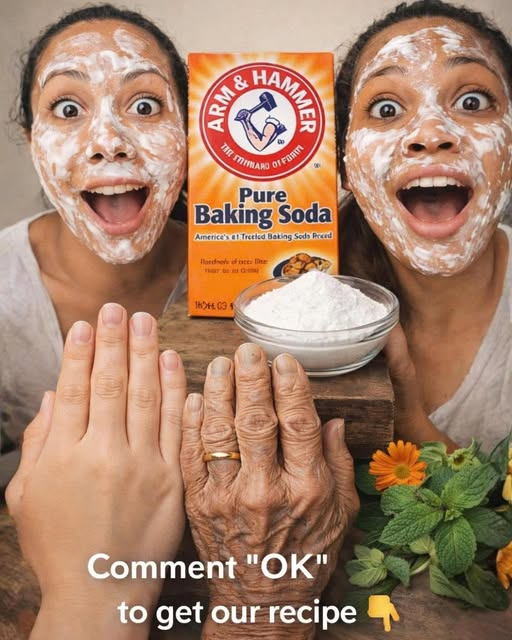
Many women over 60 notice changes in their skin as they wake up each morning—perhaps more noticeable lines around the eyes, a bit of dullness, or a feeling of looseness that wasn’t there before. These shifts often come from natural aging processes, like slower cell turnover, reduced collagen support, and daily exposure to environmental factors. It’s common to feel frustrated after trying various creams or treatments that promise a lot but deliver little noticeable difference.
The good news? Simple, kitchen-friendly ingredients like baking soda (sodium bicarbonate) have long been explored in home routines for their gentle exfoliating properties. When used thoughtfully and sparingly, baking soda may help slough away dead skin cells for a smoother appearance. In this guide, we’ll explore how it works, share safe DIY mask ideas inspired by natural traditions, and offer practical tips to incorporate them mindfully—while always prioritizing skin health and gentleness.
Why Skin Changes With Age—and What Baking Soda Might Offer
As we age, the skin’s natural renewal slows, leading to a buildup of dead cells on the surface. This can make texture feel rougher and tone look less even. Research shows that gentle physical or chemical exfoliation can promote a brighter, more refined look by encouraging fresher skin to emerge.
Baking soda, with its mildly alkaline nature (pH around 9), acts as a soft physical exfoliant and may help balance surface pH in some cases. Studies in dermatology journals have noted its use in soothing certain conditions through baths or diluted applications, thanks to its ability to gently remove buildup. However, experts emphasize that it’s not a miracle fix—overuse can disrupt the skin’s natural acidic barrier (ideally pH 4.5–5.5), leading to dryness or irritation.
Dermatologists often advise caution: “There is scant evidence for broad anti-aging claims with baking soda,” notes sources like Healthline, but when diluted and combined with moisturizing ingredients, it can feel refreshing for occasional use.
The Gentle Exfoliation Power of Baking Soda

Baking soda’s fine texture provides mild abrasion, helping to smooth rough patches without harsh scrubbing. When mixed into a paste, it creates a subtle fizz that many find tingly and invigorating. The key is moderation—experts recommend no more than 1–2 times per week to avoid compromising the skin barrier.
Here’s why people turn to it:
- Removes dead skin buildup for a softer feel.
- May brighten dullness by revealing fresher layers.
- Affordable and accessible—just a pantry staple.
But remember: Results vary by skin type. Always patch test on your inner arm for 24 hours first.
5 Simple Baking Soda Mask Ideas to Try

These recipes combine baking soda with nourishing additions for balance. Use food-grade baking soda only, and mix fresh each time
- Baking Soda + Cocoa Powder Mask – For a Radiant Glow
Mix 1 tsp baking soda with 1 tsp unsweetened cocoa powder and enough water or milk for a creamy paste. Apply for 5–10 minutes, then rinse. Cocoa’s natural antioxidants may support a healthy-looking complexion. - Baking Soda + Glycerin – For Hydrated Smoothness
Combine 1 tsp baking soda with 1 tsp vegetable glycerin (available at pharmacies). Massage gently for 1–2 minutes before rinsing. Glycerin draws in moisture, countering any drying effect. - Baking Soda + Honey + Lemon – For Brighter Tone
Blend 1 tsp baking soda, ½ tsp raw honey, and 2–3 drops fresh lemon juice. Leave on 5–8 minutes. Honey soothes while lemon’s vitamin C brightens mildly (dilute well to avoid sensitivity). - Baking Soda + Avocado Oil – For Nourished Firmness
Stir 1 tsp baking soda into 1 tsp avocado oil. Apply as a gentle mask for 10 minutes. The oil’s fatty acids help hydrate and soften. - Baking Soda + Coffee Grounds – For Energized Circulation
Mix 1 tsp baking soda with 1 tsp used coffee grounds. Massage lightly, then rinse. Coffee may give a temporary invigorated feel.
Pro Tip: Always follow with a gentle moisturizer and sunscreen during the day. Start with short application times (5 minutes) and build tolerance slowly.
Quick Comparison: Baking Soda Masks vs. Common Concerns

- Dull or uneven tone → Try cocoa or coffee blends for antioxidants.
- Rough texture → Glycerin or avocado oil adds slip and hydration.
- Occasional dryness → Honey-based options soothe naturally.
- Sensitivity → Skip lemon; opt for milder combos like yogurt (substitute in place of water for lactic acid benefits).
Studies suggest ingredients like these support overall skin appearance when used gently—no dramatic overnight changes, but consistent care can make a difference over weeks.
Your 4-Week Gentle Routine Suggestion
Week 1: Focus on one mask (e.g., cocoa) 1–2 nights. Note how skin feels.
Week 2: Alternate two masks, always moisturize after.
Week 3: Add a third if comfortable; watch for any redness.
Week 4: Assess—many report smoother texture and brighter look with patience.
Track your progress with weekly photos in natural light. Celebrate small wins!
FAQ
Is baking soda safe for daily use on the face?
No—most dermatologists recommend limiting to 1–2 times weekly. Daily use risks disrupting the skin barrier and causing irritation.
Can baking soda replace professional treatments?
Not at all. It’s a gentle home option for mild exfoliation, but for deeper concerns, consult a dermatologist for personalized advice.
What if my skin feels dry after using baking soda?
Stop immediately and hydrate well. Pair with richer ingredients next time, or discontinue if sensitivity persists.
Disclaimer: This article is for informational purposes only and is not a substitute for professional medical advice. Consult a dermatologist before trying new skincare routines, especially if you have sensitive skin, conditions like eczema, or are using active treatments like retinoids. Always perform a patch test and discontinue if irritation occurs.